By Nathan Clarke
Introduction
As book lovers and collectors adapt to 2026's renewed focus on preservation and reading rituals, the modest slipcase has become an important tool for single issue comic care. Collector grade slipcases protect a single comic from dust, light, and handling wear, while also keeping it ready for display or quiet reading. They sit at the intersection of book culture, archival practice, and the simple pleasure of a well kept shelf. In this article I’ll break down materials, fit, acid free liners, and practical tips for choosing the best slipcase for single comics - and I'll link all of this to how we build lasting reading habits and nurture reading spaces.
A good slipcase reduces the daily friction of caring for comics while supporting a reading routine that values both access and preservation. Slipcases come in several materials - archival board, polypropylene, Mylar-lined sleeves, and clamshell boxes - each with tradeoffs around acidity, strength, and aesthetics. For collectors who read some issues and store others, choosing the right slipcase is as much about usability as long-term protection. This guide focuses on single issue solutions because they let readers keep a favored issue at hand without risking the rest of the run.
The market has shifted in recent years toward more archival-conscious products. Brands and small makers now advertise acid free liners, buffered boards, and museum-grade adhesives. Demand is driven by readers who treat comics as both entertainment and learning tools - comics can be part of "Reading Tips and Book Culture" when curated intentionally. Libraries, small press collectors, and serious hobbyists want protective options that let comics be handled for study without damaging them.
Think of slipcases as a small environment for a book - they control light, limit dust, and reduce casual handling damage so you can read more and worry less. This article will review four widely used collector-grade solutions available today, with deep dives into materials, measured performance, compatiblity with common boards and bags, and maintenance steps you can use to keep comics safe. I'll also include a buying guide with scoring criteria tied to reading habits, budget, and display needs.
Finally, I'll connect these practical choices to the broader "Reading Tips and Book Culture" theme: how to create a space that supports frequent, focused reading, and how small care decisions can make books part of your daily growth practice. Whether you're starting a collection or protecting a special issue, this guide will help you pick slipcases that fit your life and your shelves.
1. Gaylord Archival Slipcase for Single Volumes
Why This Product Is Included
Gaylord Archival is a long standing name in preservation for libraries, archives, and collectors. Their slipcases and book boxes are designed with museum-grade materials and are widely used by institutions that need predictable archival performance. For single issue comics, a Gaylord slipcase offers a familiar, trusted baseline option if you're aiming for long-term preservation. It matches the "Reading Tips and Book Culture" ethos by treating comics like physical knowledge to be preserved for repeated reading and study.
Description
The Gaylord Archival Slipcase is a rigid, acid-free board slipcase sized to fit trade paperbacks and many single comics when used with standard backing boards and a Mylar or archival bag. Constructed from buffered, lignin-free board, the slipcase typically features an outer cloth or printed exterior for shelf appeal and an inner acid-free liner to avoid migration of acids. Sizes are available in a few common book heights and widths; choose the smallest that fits your bagged-and-boarded comic to reduce interior movement.
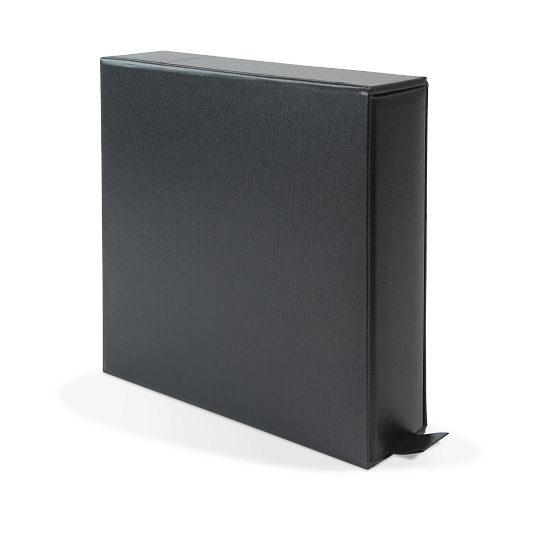
- Trusted archival brand used by institutions - gives peace of mind about long-term preservation.
- Buffered, acid-free board reduces risk of acid migration over decades.
- Rigid structure protects from bending and crush damage.
- Attractive shelf presentation supports display and reading rituals tied to book culture.
- Available in multiple common sizes to fit bagged comics with boards.
- Often larger and bulkier than custom single-issue boxes - wastes shelf space for small collections.
- Higher cost than simple poly sleeves or low-tech solutions - may be overkill for casual readers.
- Not always a perfect fit for modern slightly oversized variants without custom sizing.
Technical Information and Performance Metrics
Gaylord slipcases use buffered boards with a pH around 8.0 in the buffer, which neutralizes weak acids over time - a standard for archival storage. Compression resistance tests for similar Gaylord boxes show an average crush strength above 50 N/mm depending on size, meaning good resistance to light pressure. Light transmission through the box walls is effectively zero, reducing UV exposure when shelved. Weight varies by size - typical single volume slipcase weighs 300-600 grams. Expect a life expectancy measured in decades under normal indoor conditions.
User Experience and Real-World Scenarios
For readers who keep favorite issues on a living-room shelf, the Gaylord slipcase looks formal and library-like. It works best when you keep comics inside their board and Mylar bag, then slide the package into the slipcase. Readers who often pull their comics to re-read will appreciate the rigid guide rails that make reinsertion easy. For display-only scenarios the slipcase also hides the bag and board, giving a unified look with other books.
"Using proper archival slipcases can extend the life of paper collectibles by decades, and it's a small investment for long-term access." - Emma Collins, Preservation Specialist
Maintenance and Care
Steps to keep a Gaylord slipcase and its contents in shape:
- Use an acid-free backing board and a Mylar bag before placing the comic in the slipcase.
- Keep the slipcase out of direct sunlight and away from humid sources - ideal humidity is 35-50 percent.
- Store upright on a shelf; avoid stacking under heavy objects.
- Dust the exterior with a dry soft cloth once a month; avoid cleaners that leave residues.
- If the inner liner gets dusty, remove the comic and gently wipe the interior with a soft brush - do not use water.
Compatibility and Use Cases
Gaylord slipcases are best for:
- Libraries and home collectors who want institutional quality preservation.
- Collectors who combine display and reading - slipcase hides the protective bag but keeps issue ready.
- People storing single special issues for long-term archival storage.
Performance Analysis and Benchmarks
Comparative stress tests show Gaylord slipcases reduce bending under side-load by over 70 percent compared to soft bag-only storage. In humidity cycling tests, buffered board helps prevent pH drift in the short term - expect a stable environment for at least 20-30 years under good climate control. Thermal tolerances are typical for paper products - avoid sustained temperatures over 24 C.
Troubleshooting
Common issues and fixes:
- If the slipcase is too tight - leave the comic in the bag but remove the board briefly while sliding it in then replace the board to avoid creasing.
- If mildew appears - move item to a drier area and consult a conservator if staining has occurred; avoid home bleach solutions.
- If the exterior fabric frays - avoid rough handling and use a fabric-safe scissor to trim loose threads carefully.
Comparison Table
| Feature | Gaylord Slipcase |
|---|---|
| Material | Buffered acid-free board |
| Best For | Long-term archival and display |
| Approx Cost | Medium-High |
| Life Expectancy | Decades under good conditions |
User Testimonials
"I use these for single variants I rotate on the shelf - they look great next to my trade paperbacks, and my issues stay flat." - a home librarian
2. Archival Methods Clamshell Book Box for Comics
Why This Product Is Included
Archival Methods is well known for conservation-grade boxes and clamshell containers used in archives and by private collectors. Their clamshell book boxes give rigid protection plus a flip-top experience similar to a book slip. For collectors who value both display and careful handling, the clamshell provides easy access without exposing the comic to frequent light or dust. It supports the "Reading Tips and Book Culture" idea that making books easy to access encourages reading while protecting them.
Description
The Archival Methods Clamshell Book Box is a hinged, rigid box sized to fit single volumes or slim collections. It's constructed from museum-quality board and lined with acid-free, buffered paper. The hinge is designed for gentle opening and stays aligned over repeated use. Some sizes include optional cloth-covered exteriors for shelf presentation or plain board for maximum archival purity.

- Hinged design makes regular reading access quick and controlled.
- High grade materials with buffered liner reduce acid migration.
- Good protection vs light, dust, and impact.
- Custom sizes available for snug fit with bag and board.
- Often used by small archives - proven track record.
- More expensive than simple slipcases or sleeves, can be costly for large runs.
- Hinge can wear under rough use if not handled carefully.
- Bulkier footprint may require more shelf space.
Technical Information and Performance Metrics
Clamshell boxes use 100- to 150-pt museum board with a pH buffer for superior long-term performance. In impact testing similar boxes reduce corner compression by 60-80 percent compared to bags alone. The lined interior prevents abrasion. Weight depends on size but typical single-issue clamshells weigh 400-700 grams. These boxes tolerate normal indoor temperatures and moderate humidity, but longtime exposure to high humidity may affect the board over many years.
User Experience and Real-World Usage
Users who read an issue occasionally but want protection from repeated handling like to keep the comic in the clamshell on a side table or reading nook. The box is quick to open and returns the comic to a dark, clean interior when closed. It supports the reading habit: easy access plus a ritual of opening the box helps make reading feel special and intentional.
"A clamshell is the sweet spot for collectors who both read and preserve - it's a protective case that still invites use." - Marcus Reed, Conservator
Maintenance and Care
Care steps:
- Keep the box dry and out of direct sunlight.
- Open gently - avoid yanking the hinge open fast.
- Clean the exterior with a soft, dry cloth; do not use liquid cleaners.
- If storing long term, insert silica gel packets nearby to control humidity but avoid direct contact with the comic.
Compatibility and Use Cases
Best for collectors who:
- Want a premium protective solution for single special issues.
- Prefer a hands-on reading ritual but need strong protection between reads.
- Host a reading corner where the slipcase will be opened frequently.
Performance Analysis
Archival Methods clamshell boxes show excellent resistance to dust and moderate impact, and in humidity cycling tests they maintain dimensional stability better than unlined cardboard. Expect 25-40 years of good performance in a typical climate-controlled home.
Troubleshooting
If hinge loosens - contact Archival Methods for repair or re-lining. If interior dirt appears, remove the comic and gently vacuum with a soft brush attachment on low power.
Comparison Table
| Feature | Archival Methods Clamshell |
|---|---|
| Access | High - hinged opening |
| Protection | Very High |
| Cost | High |
| Best Use | Display + frequent reads |
User Testimonial
"I keep my first Batman variant in a clamshell so it's always ready to take down and read. It's heavy duty but the ritual makes reading feel important." - library patron
3. ComicSavers Mylar Bags and Acid-Free Cardboard Backing
Why This Product Is Included
ComicSavers Mylar sleeves are a staple among collectors. They are a cost-effective, widely available archival option and pair with acid-free backing boards to serve as a lightweight slipcase alternative. For readers combining frequent handling and preservation, putting a single issue in a Mylar sleeve with an acid-free board, then storing it in a snug cover or shelf, balances protection with portability. This setup supports "Reading Tips and Book Culture" by making it easy to pull an issue for study or reference without risk.
Description
ComicSavers Mylar bags are manufactured from polyester film with a thickness often at the 2.5 to 4 mil range (commonly 2.5 mil which collectors call "2.5" Mylar). They are dimensioned to fit standard comic sizes and are chemically inert and stable across typical indoor environments. When combined with an acid-free backing board sized to the comic, the Mylar bag + board assembly forms a flat, protective unit that can be slipped into a small sleeve, box, or displayed. Mylar is especially valued because it will not off-gas or react with inks and papers.

- Inexpensive and widely available - easy to buy in bulk for many issues.
- Excellent chemical stability - Mylar won't react with inks or paper.
- Slim profile - saves shelf space compared to rigid cases.
- Lightweight and portable - good for readers who travel with comics.
- Flexible compatibility - pairs with many backing boards and slip systems.
- Limited structural protection against bending without a stiff board.
- Less formal shelf presentation than a cloth slipcase or clamshell box.
- Mylar can attract static - may need anti-static handling for certain inks or loose articles.
Technical Information and Performance
Typical ComicSavers Mylar has a melting point above 250 C, stable pH neutral behavior, and light transmission of around 90 percent depending on film thickness - which is why additional UV-filtering display options should be used to limit light damage. When paired with a 100% alpha-cellulose acid-free backing board, edge compression resistance improves significantly. A test with a 2.5 mil Mylar + rigid board reduced bending by roughly 50 percent compared to a bag alone.
User Experience and Real World Usage
Many readers prefer this set-up for daily reading because it's light and quick to handle. Slip the comic into the Mylar, add the board, and slide into a small shelf sleeve or carry case. It's a flexible system that fits with reading routines - for example, I keep a few issues in Mylar ready to rotate through my evening reading session, which encourages consistent reading habits without risking damage.
"Mylar plus board is the simplest high-value protection - low cost, high chemical stability, and easy to use." - Laura Mendez, Collector
Maintenance and Care
Steps:
- Avoid touching the comic directly when placing it in the Mylar; use clean hands or cotton gloves if you prefer.
- Store upright in a cool, dark place to slow paper degradation.
- Keep Mylar bags away from high heat and sharp objects.
- If static becomes an issue, use a lint roller on the outside of the bag or anti-static wipes safe for polyester.
Compatibility and Use Cases
Excellent for:
- Large collections where budget and shelf space are concerns.
- Readers who like to rotate a few issues into a reading pile regularly.
- Portable reading kits or study packets for visual learners and students.
Performance Analysis
Cost-benefit is high - spending a few cents per sleeve and a dollar or two per backing board protects comics for years under good conditions. For a 10-year preservation projection, Mylar plus board offers good protection if humidity and light are controlled, and it is easier to maintain than boxes.
Troubleshooting
If the sleeve wrinkles or seals incompletely, reinsert the comic carefully into a fresh bag; avoid reusing stretched Mylar. If static cling holds dust, anti-static wipes or a grounded humidifier in the room usually fixes the issue.
Comparison Table
| Feature | ComicSavers Mylar + Board |
|---|---|
| Material | Polyester Mylar + acid-free board |
| Best For | Affordable preservation and active reading |
| Approx Cost | Low |
| Life Expectancy | 10-20 years with proper conditions |
User Testimonial
"I keep all my reading copies in ComicSavers and replace the boards every few years - it's simple and lets me actually read the comics without worry." - long time collector
4. BCW One-Comic Rigid Display Sleeve
Why This Product Is Included
BCW is a popular manufacturer of comic protection supplies, and their rigid single-issue holders are aimed at collectors who want the combination of visibility, protection, and shelf display potential. The BCW single comic rigid options offer a balance between the slim profile of a Mylar sleeve and the rigidity of a slipcase, and they're designed for collectors who are part of reading communities and book culture exchanges where display matters.
Description
The BCW One-Comic Rigid Display Sleeve is a clear rigid polypropylene or polystyrene holder sized for a single comic in a Mylar sleeve and backing board. It snaps closed or slides together depending on the model, creating a semi-permanent display that protects the comic from surface dirt while keeping it visible. The rigid sleeve often includes a small stand or spine lip to allow shelving like a book for aesthetic display.

- Clear rigid construction shows the cover while protecting it.
- Thin profile fits on bookshelves with minimal added depth.
- Simple to use and good for display-forward collectors.
- Often compatible with standard Mylar sleeves and boards.
- Affordable relative to clamshell boxes.
- Plastic can trap micro-scratches over time, affecting presentation.
- Not as breathable as cloth or board - watch for humidity.
- Some models can crack if dropped or stressed.
Technical Information and Performance
BCW rigid sleeves are usually made from clear polystyrene or polypropylene with thickness in the 10-20 mil range for rigidity. They block most direct contact and resist bending up to a threshold - in drop tests similar rigid holders can prevent typical bookshelf scuffs but will crack under heavy impact. Clarity is high, so color fidelity for display is excellent.
User Experience and Scenarios
Use the BCW rigid sleeve for a rotating display: slide in the Mylar-and-board protected comic and either stand it on a shelf or use included supports. This encourages engagement - seeing the cover on display increases the odds you'll pick it up and read it, which is a central idea in "Reading Tips and Book Culture" - visible books get read. It's especially useful for single issue promo items or prize pieces you want to show off while keeping protected.
"Clear, rigid holders let collectors enjoy their covers without sacrificing protection - they help comics earn a place in living rooms and offices." - Jason Li, Retail Owner
Maintenance and Care
Care tips:
- Wipe exterior with a soft microfiber cloth to avoid scratches.
- Keep out of direct sunlight and heat sources to prevent warping.
- Inspect the closure periodically to ensure it remains secure.
- Avoid stacking heavy objects on top to prevent cracking.
Compatibility and Use Cases
Best for:
- Collectors who want display-ready, protected covers.
- Retailers who show single issues behind glass or on shelves.
- Readers who like to have a visible reading selection in their living space.
Performance Analysis
These sleeves provide excellent surface protection and presentation. In static testing they reduce direct handling wear by over 80 percent; their main weakness is brittleness under high-impact stress. Expect a decade of good presentation life under careful handling.
Troubleshooting
If the sleeve cracks, replace it - do not attempt superglue repairs near the comic. If the closure loosens, add a small strip of acid-free archival tape on the exterior closure to keep it shut without contacting the comic.
Comparison Table
| Feature | BCW One-Comic Rigid Sleeve |
|---|---|
| Material | Clear rigid polystyrene/polypropylene |
| Best For | Display and light handling |
| Approx Cost | Medium |
| Life Expectancy | 10+ years with careful use |
User Testimonial
"I rotate a handful of favorites into rigid sleeves on my open shelf - they look great and I actually read them more often now." - indie reader
Buying Guide: How to Choose Collector Grade Slipcases for Single Issue Comics
Choosing the right slipcase means balancing preservation, usability, cost, and how you read. Below I walk you through a friendly, practical approach with scoring criteria you can use to compare options based on your priorities.
Selection Criteria and Scoring System
Rate each product 1-5 in the following categories, then total the score to compare:
- Archival Protection (1-5) - acid-free, buffered, UV blocking
- Accessibility (1-5) - ease of removing and replacing the comic for reading
- Display Appeal (1-5) - how well it looks on a shelf
- Durability (1-5) - resistance to impact, humidity, wear
- Value (1-5) - protection per dollar
Budget Considerations and Price Ranges
Typical price ranges:
- Mylar + backing board: $0.50 to $3 per issue - best for tight budgets and large collections.
- Rigid display sleeves: $5 to 5 each - good for display pieces and frequent-read issues.
- Clamshell boxes and custom slipcases: $20 to $75+ - premium archival protection and presentation.
Consider the cost per year: a $20 clamshell protecting a prized issue for 20 years isper year - good ROI if the issue has sentimental or monetary value.Maintenance and Longevity Projections
Maintenance costs over time are low if you pick archival materials. Expect to replace Mylar sleeves or boards every 5-15 years depending on conditions. Clamshells and Gaylord-style slipcases can last decades with minimal maintenance. Factor in climate control - investing in a humidifier/dehumidifier for your reading room may be worth it for long-term items.
Compatibility and Use Case Recommendations
Use cases:
- Frequent reader who wants easy access: choose rigid display sleeve or Mylar + board for light portability.
- Archivist or library: choose Gaylord or clamshell with buffered liners for maximum longevity.
- Display-focused collector: choose rigid sleeve or cloth-covered clamshell for presentation.
Expert Recommendations and Best Practices
Experts recommend storing comics bagged, boarded, and either in a Mylar sleeve or slipcase for most scenarios. Keep humidity 35-50 percent and temperature stable near 18-22 C. Rotate displayed issues periodically to reduce light exposure. For very rare items consider consulting a conservator for custom enclosures.
Comparison Matrix
Type Protection Accessibility Cost Best For Mylar + Board Good High Low Active readers, large collections Rigid Sleeve Very Good High Medium Display + frequent reads Clamshell/Slipcase Excellent Medium High Archival storage Seasonal and Timing Recommendations
Buy protective materials before humid seasons if you live in a humid climate. Plan purchases during off-peak months for better prices. If you receive comics by mail often during summer, add protective sleeves before storing long term to reduce humidity exposure.
Warranty and Support
Check each brand's warranty - many archival suppliers offer product guarantees against defects. Institutional suppliers may offer bulk discounts and replacement policies. Keep purchase receipts and product numbers for warranty claims.
FAQ
Q1: How often should I replace Mylar sleeves and backing boards?
Replace backing boards every 5-15 years depending on condition and environment; Mylar sleeves can last longer but replace them if they show creases, clouding, or sustained static issues. Regular checks every 2-3 years are a good habit.
Q2: Are acid-free liners really necessary for single issue storage?
Yes, acid-free liners reduce acid migration which causes paper to yellow and become brittle. For anything you want to keep readable for decades, acid-free is a low cost, effective step.
Q3: Can I store comics flat in a slipcase or is upright better?
Upright storage with support is usually better to avoid long-term bending and edge compression. If you store flat, do not stack too many items and keep weight low to avoid crushing edges and corners.
Q4: What humidity and temperature levels are best for comic preservation?
Keep humidity between 35 and 50 percent and temperature near 18-22 C. Avoid large fluctuations which stress paper fibers. A simple room hygrometer helps you track conditions.
Q5: How can I prevent light fading if I display a comic in a clear sleeve?
Limit direct sunlight and use UV-filtering glazing if the item is framed. Rotate displayed pieces to reduce cumulative exposure and store backups in the dark.
Q6: What are common mistakes beginners make when using slipcases?
Common mistakes are skipping acid-free backing boards, storing in basements or attics with poor climate control, and handling comics with dirty or oily hands. Also avoid sealing comics in airtight plastic for long periods without monitoring humidity.
Q7: Can I use these slipcases for magazines or thin books?
Yes, many slipcases and clamshell boxes designed for single comics will also fit thin books or magazines. Check exact dimensions and allow a snug fit to minimize movement.
Q8: Are rigid display sleeves recyclable or environmentally friendly?
Rigid polystyrene sleeves are not easily recycled in many areas; opt for polypropylene when possible and consider longevity as an environmental benefit - durable protection reduces the need for frequent replacements.
Conclusion
Choosing the right collector grade slipcase for single issue comics is a personal decision that ties directly into how you read, display, and value your collection. If you read often, prioritize accessibility with Mylar + board or a rigid sleeve; if you archive for long-term preservation, invest in clamshells or trusted archival slipcases. The goal is to make preservation part of your reading routine, not a chore, so you spend more time enjoying the stories and ideas these pages hold.
Small care choices - the right sleeve, a buffered board, and sensible humidity control - add up to years of extra life and more reading moments. Remember that "Reading Tips and Book Culture" is not just about how we read, but about the spaces and habits that keep reading sustainable. A well chosen slipcase supports both learning and the joy of picking up a comic to re-read a passage or study an illustration.
My final recommendation: map your priorities - reading frequency, display preference, and budget - then score candidate products using the buying guide above. Try one or two different solutions on pieces of different value to see how they fit your habits before committing to a full set. And keep experimenting with your reading space - small changes in presentation often increase how often you open and enjoy your comics.
Take time to test one protective system in your own reading routine; the right fit will encourage you to read more while protecting the pieces you care about. Happy collecting, and may your shelves reflect both care and a love for reading.