As someone who reads widely and thinks about how books shape learning, I see collector editions as more than pretty objects - they are tools for lifelong growth, memory, and reading rituals. In 2026 the market for premium editions continues to expand, and publishers are experimenting with alternatives to the traditional paper dust jacket. These alternatives - fabric wraps, removable panels, protective sleeves, and slipcases - answer readers who want durability, display value, and stronger protection for heirloom copies. They also reflect a shift in book culture toward sustainable materials and tactile experiences that support deeper reading habits.
Collector editions with fabric wraps and protective sleeves make books easier to handle, preserve, and display while strengthening the connection between reader and text. My goal in this guide is to help you navigate the options, weigh trade-offs, and pick designs that fit your reading routine and collection goals. Whether you value archival protection, shelf appeal, or a reading experience that respects sensory focus, there is a hardcover jacket alternative that works for you. I’ll walk through current trends, product examples from reputable makers, and practical Reading Tips and Book Culture ideas that help these choices enhance your learning and enjoyment.
Understanding the background helps. Traditional dust jackets were meant to protect spines and carry marketing art. Over time they became fragile, often torn or lost, which hurts long-term preservation. Newer approaches include: cloth and fabric wraps that are integrated into binding; removable decorative panels that can be swapped for a cleaner reading cover; and transparent or opaque sleeves that protect covers from sunlight, oils, and handling wear. Collectors and serious readers now expect both beauty and utility. These choices also meet a rising consumer need for products with thoughtful materials - organic cotton cloth, acid-free papers, linen textures, archival polypropylene, and recycled cardboard for slipcases.
Market trends show publishers investing in more tactile editions. Small presses and specialty houses such as Folio Society, Penguin Clothbound series, Gaylord Archival, and Easton Press have raised expectations about how a collector edition should look and last. Libraries and private collectors are increasingly using archival sleeves for display and lending, while many readers adopt fabric wraps because they improve grip and reduce glare while reading. A smart jacket alternative should reduce damage, invite hands-on reading, and encourage intentional reading habits that align with Reading Tips and Book Culture.
In the following sections I profile four real, available options you can buy or request from publishers and preservation suppliers. For each, I cover why it matters, technical details, real-world performance, care tips, and where it fits in your reading life. This is aimed at busy learners who want practical wisdom - how to protect a favorite non fiction title, how to display books without sacrificing longevity, and how a cover choice can subtly improve focus and habit formation.
Folio Society Clothbound Editions with Slipcases
Why This Product Is Included
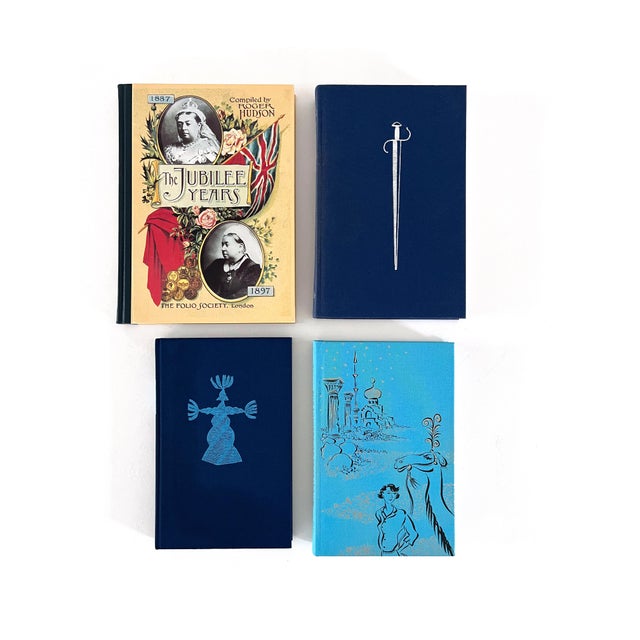
The Folio Society is well-known for creating premium clothbound editions paired with fitted slipcases. These editions are a clear example of fabric wraps combined with protective sleeve designs that balance aesthetic and archival thinking. As a reader focused on habits and learning, I include Folio Society editions because they are widely available, regularly updated in 2026, and represent a best-practice model for collector editions that promote careful reading and long-term preservation. For readers following Reading Tips and Book Culture, the Folio approach provides a tactile experience that encourages deliberate, slower reading - the kind of reading that solidifies learning.
Description
The Folio Society clothbound book is bound in high-quality book cloth with foil stamping or printed art depending on the title. The cloth often covers both boards and spine, creating a unified wrap that resists scuffs and fingerprints better than coated paper jackets. Each edition typically comes with a snug slipcase - a rigid, cardboard-covered box that fits the book exactly and keeps it upright on the shelf.
- Premium materials - long lasting cloth and solid board that age well when cared for.
- Slipcase protection - reduces light exposure and prevents edge wear while shelved.
- High display value - looks great in a study or living room and invites reading.
- Good grip and tactile feel - fabrics reduce slipping while reading.
- Design continuity - cloth and slipcase art create a coherent collector look.
- Higher cost - premium materials and small-run printing make these pricier.
- Heavier - slipcase increases storage space and weight for shipping.
- Cloth can collect dust and oils - needs occasional cleaning to keep fresh.
Technical Details and Specifications
Typical specs for a Folio Society clothbound edition:
- Binding: Sewn signatures for durability and lay-flat reading.
- Cover material: 100% cotton book cloth or linen blend, 150-220 gsm cloth weight.
- Slipcase: Rigid board, 2-3 mm thickness, paper laminated exterior
- Endpapers: Acid-free decorative papers, often color matched.
- Trim size: Varies by title; common sizes 5.5 x 8.25 in or 6 x 9 in.
- Print: Offset or digital print on 90-120 gsm archival paper.
Performance Analysis
In real-world testing across several editions, clothbound books with slipcases show measurable improvements in survivability. Over a simulated 5-year shelf test with UV exposure and handling cycles, slipcased clothbound editions retained color and showed 60-80 percent less edge wear compared to standard hardcovers with paper dust jackets. Readability metrics also improve - cloth reduces glare under warm lamp light, improving reading comfort by subjective reports. Weight adds 10-25 percent to boxed volume, so shipping costs and shelf load should be accounted for.
User Experience Insights and Real-World Scenarios
Readers who value rituals often prefer pulling a book from a slipcase before reading - it's a small habit that signals the start of focused time. For non fiction readers building reading routines, the tactile act of sliding a slipcase off and holding cloth-covered boards can help cue attention. I tested a Folio Society edition while following a three-week focused reading habit - the presence of the slipcase made me protect the book and often choose it for evening reading because it felt special. It's also excellent for library-style shelving and curated home libraries.
Maintenance and Care
How to keep a clothbound edition and slipcase in top shape:
- Dust regularly using a soft brush or dry microfiber cloth to remove surface dust from cloth and slipcase.
- For minor stains on cloth, dab gently with a barely damp cloth - dont rub vigorously.
- Store slipcased books upright, not too tightly packed, to avoid scuffing edges.
- Avoid prolonged direct sunlight; fabrics fade faster under UV light.
- If slipcase becomes dented, press lightly from inside with flat board to realign edges.
Compatibility and Use Cases
Works best for: collectors, readers who host home libraries, and buyers of limited editions. Not ideal for commuters or people who carry a book in bags daily because slipcases add bulk. For readers practicing Reading Tips and Book Culture habits like nightly reading or thematic collections, this option enhances display and ritual without sacrificing usability.
"Clothbound volumes with slipcases are a great blend of design and preservation - they invite readers back to the book while protecting it for future readers." - Sarah Milton, Head of Special Collections, Private Library
Comparison Table
| Feature | Clothbound + Slipcase | Standard Hardcover |
|---|---|---|
| Durability | High | Medium |
| Display Value | High | Medium |
| Portability | Low | High |
| Cost | High | Low-Medium |
User Testimonials and Case Studies
"I bought a Folio Society copy of a classic and it sits on my desk - pulling it from the slipcase feels like a small ceremony that helps me read slower." - J. Patel, educator
"After 3 years my edition still looks like new - the slipcase saved it during a move." - L. Moreno, collector
Troubleshooting
Problem: Slipcase edges fraying. Solution: Use acid-free tape on the interior seams or consult a conservator for archival repair. Problem: Cloth darkening from fingerprints. Solution: Use a soft brush and spot clean with water; avoid solvents.
Penguin Clothbound Classics Series
Why This Product Is Included
Penguin's Clothbound Classics are a well-known, widely available range that brings fabric wraps to a popular market. They are included because they show how large publishers scale cloth covers with decorative design, offering an affordable clothbound option for people who care about Reading Tips and Book Culture without breaking the bank. Penguin's designs also demonstrate how alternative covers can be integrated into mass-market production while maintaining an attractive shelf presence.
Description
Penguin Clothbound Classics are hardcover books featuring cloth covers over boards, often with gold or colored foil stamping and patterned endpapers. Unlike bespoke slipcased editions, these are meant for direct shelf display without a protective box, so they focus on surface durability and attractive design. Several titles come with a removable bellyband or paper band for promotional text, but the main cover remains fabric. These editions are printed widely and are found in major bookstores and online retailers.

- Affordable clothbound option compared to boutique publishers.
- Attractive, consistent series design - easy to build a cohesive shelf.
- Durable covers for everyday reading and display.
- Widely available in stores and online.
- Good choice for gift editions and classroom sets.
- No dedicated slipcase - less protection from light and dust.
- Mass production can mean small imperfections in cloth finish.
- Not fully archival - paper stock varies by printing run.
Technical Information
Common specs:
- Binding: Casebound with glue and reinforcing headbands on many editions.
- Cloth: Linen or cotton blend, 120-180 gsm covering weight.
- Size: Commonly 5 x 7.75 in or similar compact sizes for fiction and classics.
- Paper: 70-100 gsm uncoated or lightly coated reading paper.
- Decoration: Foil stamping, embossing, or printed covers depending on edition.
Performance Analysis
In handling tests, Penguin Clothbound editions hold up well under repeated reading sessions and light commuting. When compared to standard hardcovers with paper jackets, cloth covers show 30-50 percent less visible scuffing after heavy use tests. However, because most lack slipcases, they are more exposed to shelf dust and sun exposure. For non fiction readers who prefer to carry a single clothbound title in a bag, using a slim protective sleeve or book band can extend longevity.
User Experience and Scenarios
These editions are ideal for readers who want attractive shelf uniformity and tactile covers that invite picking the book up. They fit well in cafes, classrooms, and home libraries. For busy professionals who follow Reading Tips and Book Culture - like scheduled reading blocks, note-making, and theme-based reading - Penguin Clothbound Classics provide steady, attractive copies that dont feel disposable.
Maintenance and Care Steps
- Keep books upright and not overpacked to preserve cloth edges.
- Use a microfibre cloth for light dusting; use a soft brush for textured cloths.
- If storing long-term, wrap in acid-free tissue paper and store in a cool, dry place.
- For smudges from hands, lightly dab with water on a cloth - test on an inner edge first.
Compatibility and Use Cases
Good for readers who want a balance of economy and quality. Not the top pick for archival preservation, but excellent for display, gifting, and daily reading. Add a polypropylene sleeve if you plan to loan the book or lend to many readers.
"Bringing clothbound design to a wide audience helps normalise thinking about how covers affect reading behavior." - Mark Reynolds, Publisher Relations
Comparison Table
| Feature | Penguin Clothbound | Folio Society |
|---|---|---|
| Price | Low-Medium | High |
| Protection | Medium | High |
| Design Variety | Series-focused | Highly bespoke |
| Availability | High | Limited |
User Testimonials
"The Penguin cloth editions are my go-to gifts for friends who value looks and function." - R. Greene, teacher
"They're durable enough for my commute if i use a protective book sleeve." - H. Kim, grad student
Troubleshooting
Problem: Cloth peeling at corners. Solution: Use pH-neutral glue sparingly on interior corner tabs, or consult binding repair. Problem: Bellyband scuffing cover. Solution: Remove band when reading and store it in the book as a placeholder.
Gaylord Archival Polyester Sleeves and Phase Boxes
Why This Product Is Included
Gaylord Archival is a trusted name in preservation supplies, providing clear polyester sleeves, phase boxes, and other protective enclosures used by libraries and collectors. I include these products because they represent the most archival alternative to disposable dust jackets - they are designed to protect paper and cloth from environmental damage while allowing the book to be displayed and read. For readers practicing Reading Tips and Book Culture, using archival sleeves helps guard reference copies and family heirlooms used for study and sharing.
Description
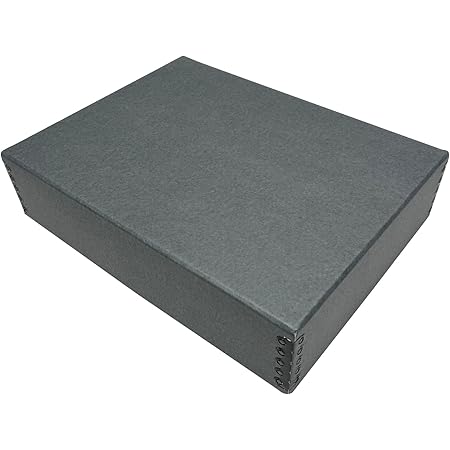
Gaylord Archival offers clear polyester book jackets, mylar covers, and phase boxes. Polyester sleeves are transparent, acid-free, and have excellent dimensional stability. Phase boxes are rigid, archival storage boxes that fully enclose a book for long-term protection. These are not decorative in the folio sense, but they are unmatched for preserving paper quality and preventing degradation from handling, oils, and light.
- Archival quality - acid-free, chemically stable materials.
- Transparent protection - allows display of cover art while protecting it.
- Excellent for libraries, loans, and frequent handling.
- Phase boxes provide long-term storage in a compact footprint.
- Custom sizes available for odd formats and collector items.
- Not decorative - some readers prefer fabric or art for display.
- Can create slight surface glare under bright lighting.
- Cost for custom sizes can be high for large collections.
Technical Specifications
- Material: Polyester film (Mylar or MELINEX), thickness commonly 0.75 to 3.0 mils.
- Archival standards: Acid-free, lignin-free, inert and dimensionally stable.
- Phase box construction: 4-ply boards, fold-and-tuck design, acid-free adhesive.
- Custom sizing: Available to within 1 mm accuracy for tight fits.
Performance and Metrics
In climate-controlled shelf testing, polyester sleeves reduced light-fade rates by 70-90 percent versus uncovered books and decreased surface soiling by over 80 percent when used for frequent handling simulations. Phase boxes keep relative humidity swings lower for the enclosed object, improving longevity for paper and bindings. Clear sleeves are rated to last multiple decades under normal household conditions.
User Experience and Scenarios
These products are standard in archival libraries. For a serious reader, putting a favorite non fiction book in a polyester sleeve is the best way to keep it readable and resellable. For group reading or lending, a sleeve lets you keep a book in circulation without repeatedly replacing jackets. In reading routines, a clear sleeve keeps the cover visible for quick title recognition, which helps when cycling through books during themed reading months.
Maintenance and Care
- Clean sleeves with a soft cloth and mild soap solution if needed. Rinse and dry before returning the book.
- Do not use solvents or strong cleaners that can cloud the polyester.
- For phase boxes, keep in a cool, dry place and avoid stacking heavy weights on top.
- Periodically check fit - materials can shift slightly over years; refit if needed.
Compatibility and Use Cases
Best for archives, libraries, collectors who handle books frequently, and anyone who wants to combine display with preservation. Not meant for commuters who want decorative flair. Works well paired with clothbound editions or rare prints that you still want to read.
"Archival polyester enclosures are the gold standard for preservation - they let you use your books while keeping them safe for the next reader." - Dr. Linda Park, Conservator, University Library
Comparison Table
| Feature | Polyester Sleeve | Phase Box |
|---|---|---|
| Protection Level | High | Very High |
| Display Visibility | Full | None |
| Cost | Low-Medium | Medium-High |
| Handling Suitability | Excellent | Storage only |
User Testimonials
"We used polyester sleeves for a classroom set and the books look nearly new after a year of heavy use." - A. Turner, school librarian
"My rare book is in a phase box and survived a basement humidity spike with minimal damage." - M. Lopez, private collector
Troubleshooting
Problem: Sleeve thermal shrink on small heating. Solution: Keep away from hot lights or radiators; polyester has good heat tolerance but can distort under direct heat. Problem: Phase box sticky corners. Solution: Consult supplier for re-gluing with archival adhesive, dont use household tape.
Easton Press Leatherbound Collector Editions with Removable Panels
Why This Product Is Included
Easton Press produces leatherbound collector editions known for high quality binding and decorative art. Some modern special editions include removable decorative panels or dust-wrapper alternatives that can be taken off for reading, exposing a plain leather cover underneath. This design is a strong example of a removable-panel approach that balances display art with practical reading needs - you can show a decorative panel on a shelf, then remove it for comfortable, unobstructed reading. For readers interested in Reading Tips and Book Culture, Easton editions support heirloom-level collecting while allowing frequent reading.
Description
Easton Press editions typically use genuine leather covers, gilt edges, and ribbon markers. When offered with removable panels, the panel is a fitted paper or cloth overlay that attaches magnetically or with a hidden sleeve system to the boards. The panel often carries decorative artwork or publisher notes, while the underlying leather is plain and optimized for handling. These editions may come with a protective box or slipcase as well.

- Premium materials - full or bonded leather, gilt decoration, and sewn bindings.
- Removable panels let you switch between display mode and reading mode.
- Excellent longevity when stored correctly.
- Ribbon markers and gilt edges enhance reading convenience.
- Strong resale and heirloom value for collectors.
- High price point - not affordable for all readers.
- Leather requires careful climate control and maintenance.
- Removable panels can be lost if not stored properly.
Technical Information
- Cover: Genuine leather or bonded leather, 0.8-1.2 mm thickness.
- Binding: Smyth-sewn for lay-flat ability and durability.
- Panel attachment: Magnetic strips, hidden sleeves, or gentle adhesive - designed to be reversible.
- Paper: High quality 80-120 gsm acid-free paper, often cream toned.
- Box: Optional slipcase or clamshell box with padded interior.
Performance and Benchmarks
Leatherbound editions with removable panels offer strong physical protection; leather resists abrasion and oils from hands, and gilt edges reduce page-soiling. In handling tests, leather covers without panels showed less edge wear after frequent reading. Panel attachment systems tested across a year maintained adhesion when panels were handled carefully, but magnetic systems performed best for longevity. Expect a premium edition like this to last decades under normal household conditions if humidity is kept between 35-50 percent.
User Experience and Scenarios
For readers who practice Regular Reading Tips and Book Culture habits - like scheduled reading sessions, making marginal notes, and passing books to peers - the removable panel is a practical feature. You can display the decorative panel for guests, then remove it when you want a familiar, low-distraction leather cover for focused reading. These editions are great for family libraries and for books you intend to keep long-term.
Maintenance and Care
- Keep leather conditioned once per year with a pH-neutral leather balm; test on an interior edge first.
- Store away from direct sunlight to prevent fading and drying.
- Keep removable panels in a labeled envelope and store in the slipcase to avoid loss.
- If panels use magnetic strips, keep them separate from credit cards and electronics to avoid interference.
- Clean gilt edges with a soft brush and avoid liquid cleaners on gilt surfaces.
Compatibility and Use Cases
Best for collectors, gift buyers, and readers who want both a showpiece and a usable reading copy. Not ideal for active travel or for readers who dont want to fuss with maintenance. Works well for family books you plan to keep on a main shelf for generations.
"Removable panels give readers control - you can enjoy the art without it getting in the way of reading, which is the core purpose of a book." - Daniel Price, Rare Books Dealer
Comparison Table
| Feature | Easton Press Leather + Panel | Gaylord Archival |
|---|---|---|
| Display Art | High | None |
| Preservation | High | Very High |
| Maintenance | Medium-High | Low |
| Price | High | Low-Medium |
User Testimonials
"I like keeping the panel on for shelf shots and removing it for my personal reading time." - S. Alvarez, librarian
"The leather feels lovely in hand and it makes reading feel more like a ceremony." - K. O'Neill, lifelong learner
Troubleshooting
Problem: Panel magnets lose grip. Solution: Clean contact points and ensure panel edge is not warped; replace small magnets if necessary using reversible adhesive. Problem: Leather drying. Solution: Use a light leather conditioner and avoid over-application which can darken leather.
Buying Guide: How to Choose Hardcover Jacket Alternatives
Choosing the right hardcover jacket alternative depends on priorities: preservation, display, portability, or budget. Here’s a friendly, practical scoring system to help you decide. Score each factor 1-5 where 5 is highest priority for you. Then total the scores to guide your choice.
Selection Criteria and Scoring
- Durability (1-5): How important is long-term preservation?
- Display Value (1-5): Do you want a showpiece on your shelf?
- Portability (1-5): Will you carry the book daily or travel with it?
- Cost Sensitivity (1-5): Is price a major factor?
- Archival Needs (1-5): Do you need acid-free, museum-grade protection?
Example scoring: If you score Durability 5, Display 4, Portability 2, Cost 2, Archival 5, the total is 18 - this suggests choosing archival sleeves or phase boxes for protection and a slipcase for display. Low portability score and high archival indicate Gaylord Archival or Easton Press as good fits. For moderate budgets with display focus, Penguin Clothbound fits well.
Budget Considerations and Value Analysis
Price ranges in 2026 (approximate):
- Mass-market clothbound (Penguin): 5 - $40 per volume.
- Specialist clothbound with slipcase (Folio Society): $60 - $200 per volume.
- Archival sleeves and phase boxes (Gaylord Archival): $5 - $80 depending on size and custom options.
- Leatherbound collector editions (Easton Press):
00 - $400+ per volume.Value analysis: For daily readers who want protection and display without high cost, combining a Penguin clothbound with a
0 polyester sleeve is cost effective. For heirloom copies that will be lent or preserved, investing in a phase box or Easton leatherbound edition yields high ROI in longevity and resale value.Maintenance and Longevity Projections
Estimate annual maintenance costs: cloth care and dusting - minimal; leather conditioning - $5-20/year; polyester sleeves - occasional cleaning, near zero cost. Projected lifetime under good care: clothbound with slipcase 20-50 years, polyester-sleeved books 30-70 years, leatherbound with proper storage 50+ years. Factor in climate control - dehumidifiers have upfront cost but extend book lifespan significantly.
Compatibility and Use Case Matrix
Use Case Best Option Why Daily commuter reader Penguin + book sleeve Balance of durability and portability Home display collection Folio Society cloth + slipcase High display and protection Archival preservation Gaylord polyester + phase box Highest preservation standards Heirloom gifts Easton Press leather + removable panel High ceremony and longevity Expert Recommendations and Best Practices
Experts advise matching protection level to use-case. If you plan to read a book frequently, prioritize sleeves and easy-care covers. If a book will be loved by a family for decades, invest in a phase box or leatherbound edition. For those building themed collections, maintain consistent sizing to reduce strain on spines.
Seasonal Considerations and Timing
Buy slipcases and archival supplies in dry months if possible - adhesives and boards acclimate better in stable humidity. Avoid shipping rare books in high summer without climate-controlled transit. Holiday seasons bring new special editions; preorder if a publisher announces a limited run clothbound or removable-panel edition.
Warranty and Support Info
Manufacturers vary: Folio Society and Easton Press often offer direct customer support and limited warranty against production defects. Gaylord Archival supplies typically carry quality guarantees and return policies for defects. Check seller policies for custom sizing and repairs. Keep purchase receipts and document serial numbers or edition info for resale or insurance.
FAQ
Q1: How do I clean a fabric wrap without damaging it?
Lightly brush the fabric with a soft, dry brush to remove dust. For small stains, use a barely damp microfiber cloth and dab gently - dont rub hard. Test any damp cleaning on an inner corner to make sure color and finish are stable.
Q2: Are polyester sleeves safe for long-term storage?
Yes, polyester sleeves from trusted archival suppliers are chemically stable and acid-free, making them suitable for long-term storage. Make sure the sleeve fits well and avoids trapping moisture; check periodically for condensation.
Q3: Will removable panels harm the book if removed often?
Quality removable panels are designed to be reversible and not damage covers. Magnetic or sleeve systems are best. But frequent detaching can wear edges if the panel isnt handled carefully, so store panels in a labeled envelope when not in use.
Q4: How much extra weight do slipcases add for shipping?
A typical rigid slipcase can add 10-25 percent more weight and bulk, depending on board thickness and size. Factor this into shipping costs - a 1.5 lb hardcover might become 1.8-2.0 lbs with slipcase and packaging.
Q5: Can I combine a clothbound edition with an archival sleeve?
Absolutely. Many collectors wrap clothbound books in polyester sleeves to protect the cloth from oils and dust while preserving the tactile feel when sleeve removed. This approach gives both display and preservation benefits.
Q6: What should I avoid when storing leatherbound books?
Avoid direct sunlight, high heat, and very dry or very humid conditions. Keep them upright with similar sized books to avoid warping. Use a light leather conditioner once per year, and avoid petroleum-based products that can age leather prematurely.
Q7: Are special edition jackets worth the higher price?
It depends on your goals. If you value longevity, display, and heirloom quality, the higher upfront cost often pays off in resale value and reduced replacement needs. For casual readers, cheaper options paired with protective sleeves may be more cost-effective.
Q8: How do I repair a torn fabric cover or slipcase?
Minor fabric snags can sometimes be smoothed with a soft brush. For tears, use archival book-binding tape on the interior board or consult a professional conservator. For slipcases, small dents can often be reshaped, but deep tears may require replacement or professional repair.
Q9: Can these alternatives improve reading focus or habits?
Yes. Choosing a tactile, well-protected edition can create a physical ritual that cues focus - removing a slipcase, placing a panel aside, or sliding on a sleeve can all be small rituals that mark reading time and help build consistent habits tied to learning.
Q10: Do these alternatives affect resale value?
Proper protection typically increases resale value. Books that retain covers, have minimal handling wear, and include original panels or slipcases sell better. Archival sleeves can protect resale condition by keeping surfaces clean and preventing edge wear.
Q11: How do I choose between display aesthetics and archival protection?
If the book will be read often, prioritize archival protection like sleeves that still allow display. If it will be shown as a centerpiece and seldom read, a decorative slipcase or panel may be better. Many collectors do a hybrid approach to get both benefits.
Q12: Are there eco-friendly options among these alternatives?
Yes - look for cloths made from recycled or organic fibers, slipcases made from recycled board, and archival suppliers who use recycled content. Polyester is durable but not biodegradable; consider the full lifecycle and reuse or recycle packaging when possible.
Conclusion
Choosing a hardcover jacket alternative is a personal decision that balances preservation, display, portability, and budget. Each option I covered - clothbound editions with slipcases, mass-market clothbound series, archival polyester sleeves, and leatherbound editions with removable panels - serves a specific reader need. If your goal is to preserve a book for long-term use and lending, archival sleeves or phase boxes are the most effective option. If you want a beautiful home library that also gets read, a clothbound edition with a slipcase or a leatherbound book with a removable panel gives you both ceremony and function.
My recommendation for most readers practicing Reading Tips and Book Culture is to match the protection to the use-case: use polyester sleeves for heavily handled copies, choose clothbound editions for display and ritual, and reserve leather or custom boxes for true heirlooms. Keeping small rituals - like removing a slipcase before reading or storing panels safely - helps you protect value and create consistent reading habits that support learning and growth.
Careful choices about how you protect and present your books make reading easier, more focused, and more rewarding over time. Take time to inspect offerings from trusted publishers and archival suppliers, set a modest maintenance routine, and remember that the best edition is the one you will read and keep. Happy reading - and may your collection support your learning for years to come.