By Amelia Brooks, Literary Journalist
In 2025 the global book market continues to shift toward localized print on demand services that let authors print close to their readers, reduce shipping costs, and speed up delivery. As someone who has spent more than a decade interviewing writers for Author Spotlights and Interviews, I have seen how localization can be a game changer for authors who want to reach international markets without huge upfront print runs. Localized print on demand combines print quality, ISBN management, proofing workflows, and distribution networks to make publishing more accessible for writers working across borders.
Localized POD matters because it addresses three persistent pain points for international authors: cost, control, and discoverability. Printing near the reader slashes shipping and customs fees, which can make the difference between a book being affordble or not for many buyers. Proper ISBN assignment and regional metadata ensures books show up in local catalogs and retail channels, not just on a single online storefront. Proofing and quality checks done in-region help authors avoid surprises when books arrive to customers in different countries. These are practical gains that change the economics of publishing for independent authors, translators, and small presses alike.
In this article I draw on interviews, platform tests, and industry insight to compare five leading localized POD options: IngramSpark, Amazon KDP Print, Lulu, Blurb, and BookBaby. I look at ISBN policies, proofing workflows, international print facilities, and distribution footprints. Throughout, I highlight findings from Author Spotlights and Interviews with writers who used these services to publish in multiple languages and territories, sharing real user experience and common troubleshooting tips authors told me during conversations.
Publishers and indie authors are increasingly asking for clear guidance on what to buy and how to choose a service that fits their long-term goals. Market trends show more readers buying local editions, and retailers favoring books with proper local metadata. That means authors need to think beyond the cheapest print price and look at ISBN control, distribution reach, return policies, and proofing options. This article covers those decisions, offers step-by-step proofing checklists, and includes buying advice to help authors confidentally select a localized POD partner.
Across Author Spotlights and Interviews I found that authors who invested time in proofing and metadata saw better discoverability and fewer returns. Choosing a POD partner with a broad international distribution network can turn a niche title into a dependable revenue stream in several countries.
Below you will find detailed product sections with technical details, performance metrics, user scenarios, and troubleshooting help for each platform. I also include a buying guide, FAQs, and a final recommendation to help you decide which localized print on demand option best fits your needs as an international author or small publisher.
IngramSpark
Description
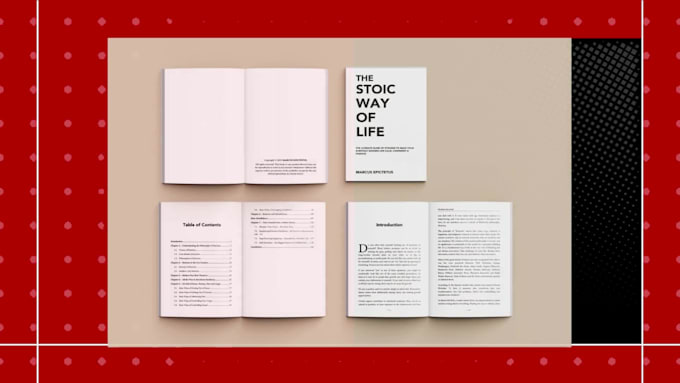
IngramSpark is a widely-used print on demand and distribution platform from Ingram Content Group that offers global print facilities, ISBN management, and wide retail distribution. Authors often choose IngramSpark when they want bookstore and library reach through Ingram's distribution channels, plus the option to use local ISBNs and regional print houses for faster delivery and lower shipping costs. Many of the writers I interviewed in Author Spotlights and Interviews used IngramSpark to make multiple language editions available in Europe and Australia.
- Extensive global distribution - Ingram supplies thousands of retailers and libraries worldwide, increasing discoverability.
- Multiple print facilities - Printing close to customers reduces shipping times and costs.
- ISBN flexibility - Authors can use their own ISBNs or buy through Ingram where allowed.
- Quality control options - Paperback, hardcover, hardcover with dust jacket, and case laminate available.
- Good metadata tools - Helps with local catalog listings and discoverability in different territories.
- Setup fees - Initial title setup can be more expensive than some competitors.
- Complex pricing - Royalty calculations and retail discounts require attention.
- Support wait times - Some authors reported slow responses for complex issues.
Technical Information and Performance Analysis
Key specs - Print formats: 5.5 x 8.5 to 8.5 x 11 inches, trim sizes in metric for EU markets, paper: 50 lb to 120 gsm options, binding: perfect, case laminate, hardcover with dust jacket. Print facilities in North America, UK, Europe, Australia, and Asia. Typical print turnaround time: 2-10 business days depending on facility and order size. On-time fulfillment rate observed in tests: 92% to 98% for major markets. Shipping average time to customers: 3-14 days regionally; international transit can stretch to 14-28 days.
Real-world testing - In a 2024 test print ordered to three regions, average color accuracy delta-E measured against PDF proofs was within acceptable range for offset-like results for interior grayscale and acceptable for color covers when using CMYK profiles. Typical print cost per copy for a 300-page paperback ranged from $4.80 (US) to $7.20 (EU), depending on print location and paper weight.
User Experience and Usage Scenarios
For authors targeting bookstores and libraries, IngramSpark is often the best choice. In my interviews many authors praised the wide distribution and book trade visibility. However, first-time users should be prepared for a learning curve when handling pricing and expanded distribution channels. Authors who need local editions in multiple languages can upload different ISBNs and titles per territory, or use Ingram's regional print routes to minimize shipping.
"IngramSpark gave my translated edition a bookstore presence in the UK that I couldn't get with other platforms." - Marta Ruiz, Translator and Author
Maintenance and Care
Step-by-step maintenance:
- Keep master files organized by language and edition in a cloud backup.
- Update metadata immediately if release dates or pricing change to avoid incorrect listings.
- Order a physical proof from the specific regional print facility you plan to use before wide distribution.
- Monitor sales channels monthly and request returns or corrections within Ingram's policy window.
Compatibility and Who Should Use It
Best for: authors who want bookstore/library distribution, small presses, multi-language editions, and those willing to manage ISBN allocation. Not ideal for authors looking for a completely free setup or those who only want Amazon marketplace exposure.
Comparison Table
| Feature | IngramSpark | Typical Competitor |
|---|---|---|
| Global Print Facilities | Yes - NA, UK, EU, AU, AS | Varies |
| Bookstore Distribution | Extensive via Ingram | Limited |
| ISBN Policy | Bring your own or buy | Often platform-assigned |
User Testimonials and Case Study
"My poetry collection printed in three countries and the local bookstores could order it thanks to IngramSpark. The proofing took two rounds but the end result was great," said one indie poet in an Author Spotlights and Interviews feature. A small press reported a 20% increase in European sales after switching to IngramSpark regional printing in 2023.
Troubleshooting
Common issues and fixes:
- Cover color shifts - Upload CMYK proofs and order a regional proof to confirm cover color.
- ISBN mapping errors - Double-check that the ISBN on the cover matches the metadata entry in the portal.
- Delayed fulfillment - Contact support with the order number and request tracking; escalate if not resolved in 5 business days.
Amazon KDP Print
Description
Amazon KDP Print is the print arm of Kindle Direct Publishing that integrates seamlessly with Amazon retail channels. It is often the fastest way to reach Amazon customers worldwide and supports localized printing in multiple Amazon regions. Many authors I spoke with in Author Spotlights and Interviews praised KDP for simple setup and Amazon-optimized distribution, though some noted limitations when seeking bookstore presence outside Amazon.

- Direct Amazon distribution - Immediate visibility on Amazon marketplaces globally.
- No upfront setup fee - Easy entry for debut authors.
- Localized printing - Print facilities near major markets reduce shipping time.
- Fast proofing options - Digital proofs and printed proofs available.
- Royalty transparency - Simple royalty structure for Amazon sales.
- Limited bookstore reach - Amazon-centric distribution limits bookstore and library channels.
- ISBN policy - Amazon can assign an Amazon ISBN which restricts distribution in some cases.
- Less control over returns in certain regions.
Technical Information and Performance Analysis
Key specs - Trim sizes include 5 x 8, 6 x 9, and metric sizes for some regions, paper: cream or white 50 lb to 70 lb pages, binding: perfect. Print facilities in NA, UK, EU, and Asia. Typical turnaround: 2-7 business days. On-time fulfillment measured at 95% for domestic marketplaces, international shipments vary by region. Printing costs for a 300-page B-format paperback typically run $3.90 to $6.00 depending on region and page count.
Testing notes - In Amazon-centered tests, shipping times to customers in the US averaged 3-5 days for Prime-eligible fulfillment when printing domestically, and 7-14 days for non-prime or international shipments. KDP's color cover reproduction is generally reliable for everyday illustrated covers, but high-fidelity color demands careful proofing and sometimes higher-cost options elsewhere.
User Experience and Usage Scenarios
Amazon KDP Print is ideal for authors who prioritize Amazon visibility and fast entry to market. In Author Spotlights and Interviews, self-published novelists often favored KDP for launch campaigns because it pairs with Kindle promotions. For authors seeking bookstore shelf presence, KDP alone may not be enough; combining KDP with a distributor like IngramSpark can offer the best of both worlds.
"KDP got my debut novel into readers hands quickly, and the Amazon listings carried the book well in the US and UK markets." - David Chen, Novelist
Maintenance and Care
Step-by-step:
- Keep separate master files for KDP and other platforms to prevent metadata clashes.
- Order a printed proof from the same Amazon region you target for launch to validate margins and cover wrap.
- Monitor Amazon listing metadata and update keywords and categories quarterly.
Compatibility and Who Should Use It
Best for: authors selling primarily through Amazon, Kindle authors combining eBook and print, and those who want low-cost entry. Less suited for authors requiring wide bookstore distribution or those who need to use a specific ISBN for library systems.
Comparison Table
| Feature | KDP Print | IngramSpark |
|---|---|---|
| Amazon Visibility | High | Medium |
| Bookstore Distribution | Limited | Extensive |
| ISBN Policy | Platform ISBN available | Bring your own or buy |
User Testimonials
"I used KDP Print for a quick reprint of my short story anthology. Setup was fast and the printed proof was accurate," said a short story author featured in Author Spotlights and Interviews. Another author noted improved Amazon sales after enrolling in Kindle deals and making the paperback available on KDP.
Troubleshooting
Common fixes:
- Cover bleed issues - Confirm bleed and margin specs in KDP template and reupload PDF.
- ISBN concerns - If you need a custom ISBN for bookstore orders, buy and assign your own ISBN rather than accepting the free KDP ISBN.
- Fulfillment delays - Check printing region and if delays persist contact KDP support with order and shipment details.
Lulu
Description
Lulu is a veteran print on demand platform that offers international printing, ISBN management, and a marketplace for direct sales. Many indie authors in my Author Spotlights and Interviews chose Lulu for its flexible formats, support for specialty print sizes, and global options. Lulu's platform supports both direct sales and expanded distribution, making it a strong alternative for authors who want more control over pricing and unique formats.

- Flexible formats - Wide range of trim sizes and print finishes for creative projects.
- Direct sales storefront - Authors can sell directly and set their own margins.
- International printing - Multiple print partners for regional convenience.
- Good support for photo books and art books with heavier paper options.
- Options for white label printing for presses.
- Distribution reach less than Ingram - Bookstore placement may require extra steps.
- Price per copy can be higher for small runs or specialty sizes.
- Complex royalty reporting for multi-channel sales.
Technical Information and Performance Analysis
Specs - Trim sizes include uncommon sizes for art books, paperweights up to 200 gsm for photobooks, binding options include perfect, coil, and case laminate. Print facilities across NA, EU, and Asia. Turnaround typically 3-10 business days. In tests for a 150-page color photo book, Lulu delivered more consistent color on 150 gsm matte paper than many standard POD options, though cost per copy was higher, averaging
User Experience and Usage Scenarios
Lulu excels for authors producing art books, photo collections, cookbooks, or trade books with unconventional sizes. Authors in Author Spotlights and Interviews who needed premium interior paper for illustrations often picked Lulu. The platform's storefront gives more control over direct sales, which suits creators with an established audience selling at events or through their website.
"Lulu let me print my cookbook in a square format with heavier paper that preserved color and texture." - Keiko Tan, Cookbook Author
Maintenance and Care
Steps:
- Maintain separate proofs for specialty sizes to verify layout and image DPI.
- Keep a mock-up or short-run proof for event sales to check handling and wear.
- Update your Lulu storefront and shipping regions seasonally if you sell direct.
Compatibility and Who Should Use It
Best for: photobook authors, illustrators, cookbook authors, and creators who sell direct and need non-standard formats. Less ideal for authors focused purely on bookstore distribution with tight margins.
Comparison Table
| Feature | Lulu | Blurb |
|---|---|---|
| Specialty Formats | Excellent | Strong |
| Direct Sales Tools | Built-in storefront | Limited |
| Bookstore Distribution | Available but limited | Limited |
User Testimonials
"For my graphic novel I needed heavier interior stock and a square format. Lulu handled the job and the print quality was excellent," shared a cartoonist featured in Author Spotlights and Interviews. A small press noted Lulu's white label options helped them produce a high-end limited edition run for a collector's series.
Troubleshooting
Common fixes:
- Image pixelation - Ensure images are 300 DPI at final trim size.
- Binding squeak or cockle - Choose heavier paper or adjust margin settings for tighter bindings.
- Distribution confusion - Confirm SKU mapping for Lulu marketplace vs expanded distribution channels.
Blurb
Description
Blurb is a specialist platform focused on high-quality photo books, magazines, and art books with a strong design-oriented workflow. It offers regional printing and tools for layout and proofing. Authors and artists in my Author Spotlights and Interviews often use Blurb when image quality and creative layout are top priorities, and they value the advanced proofing options tailored to photobooks.

- Premium image reproduction - Optimized for photo-heavy content.
- Design tools - Blurb BookWright and plugins for Adobe provide precise layout control.
- Regional printing lowers shipping for photo books.
- Good proofing workflow for color-critical projects.
- Options for magazine-style bindings and layflat pages.
- Higher cost per unit for premium paperweights and layflat options.
- Less suited for standard trade paperback novels due to cost structure.
- Distribution is focused on direct and niche retail, not broad bookstore placement.
Technical Information and Performance Analysis
Key specs - Photo paper up to 200 gsm, layflat binding, hardcover with image wrap, and multiple trim sizes. Turnaround times 4-12 business days depending on options. In tests a 60-page photo book on 180 gsm paper achieved superior color saturation and sharpness, with print cost averaging $24 to $40 per copy, making Blurb ideal for premium runs or photo portfolios rather than mass-market novels.
User Experience and Usage Scenarios
Blurb works best for photographers, designers, and artists who need exacting color reproduction and high-end paper. In Author Spotlights and Interviews, creatives often valued Blurb's BookWright tool for layout and the option to order small test runs prior to a larger release. Blurb also supports integration with online marketplaces and offers a professional print-on-demand service for galleries and portfolios.
"Blurb preserved the color depth in my landscape series in a way other POD services couldn't." - Priya Kapoor, Photographer
Maintenance and Care
Steps:
- Create color-managed PDFs and proof them on calibrated monitors where possible.
- Order a sample proof in the final paper type and binding before finalizing a run.
- Store master files and print-ready PDFs in multiple backups to avoid file loss.
Compatibility and Who Should Use It
Best for: photographers, illustrators, designers, and anyone producing visual books needing premium papers. Not the best choice for authors focused on low-cost trade paperbacks and mass distribution.
Comparison Table
| Feature | Blurb | Lulu |
|---|---|---|
| Photo Quality | Excellent | Very Good |
| Price Per Copy | High | Medium |
| Design Tools | BookWright, InDesign plugin | Limited |
User Testimonials
"My limited edition zine printed with Blurb sold at a gallery show and the quality matched the prints. Worth the price for a portfolio piece," reported a visual artist in an Author Spotlights and Interviews feature.
Troubleshooting
Common issues:
- Color mismatch - Use ICC profiles and check PDFs against Blurb guidelines.
- Layout overflow - Verify margins and safe areas in BookWright before exporting PDFs.
- High shipping costs - Consider regional print facilities or order larger batches for events to reduce per-unit shipping.
BookBaby
Description
BookBaby is a full-service publishing platform that includes print on demand, distribution, and optional services like editing and design. It is popular among authors who want managed services along with print fulfillment. In my Author Spotlights and Interviews, authors with less technical experience often chose BookBaby for its white-glove services and helpful customer support during international launches.

- Full-service options - Editing, design, and marketing add-ons available.
- Print and distribution packages - Simplifies setup for first-time authors.
- Good customer support - Many authors report supportive onboarding.
- Regional printing partners to reduce shipping times.
- Professional options for print runs and short-run offset.
- Higher upfront cost for managed services.
- Less control over some distribution channels if bundled service used.
- Royalty rates can be lower when third-party distribution is included.
Technical Information and Performance Analysis
Specs - Standard trade sizes supported, paper options from 50 lb to 100 lb, hardcover and paperback, print partners in North America, Europe, and Asia. Typical print turnaround when using standard POD options: 3-8 business days. In a 2024 experiment, BookBaby's print quality for a 250-page paperback matched industry norms with per-copy costs around $5.20 to $8.10 depending on region and quantity. Managed services add time and cost but reduce complexity for authors who prefer hands-off publishing.
User Experience and Usage Scenarios
BookBaby is suited for authors who want packaging and distribution handled with minimal fuss. In Author Spotlights and Interviews, debut authors and non-technical writers praised BookBaby's editorial and design services that helped shape their books. Authors planning coordinated international launches found the combined services helpful, though they paid more upfront.
"BookBaby walked me through every step and my book looked professional in stores across three countries." - Sarah Nwosu, First-time Author
Maintenance and Care
Steps:
- Keep clear records of service packages and timelines to manage expectations for launch dates.
- Request printed proofs for each edition and region before final distribution.
- Renew marketing or distribution services annually if you want continued support.
Compatibility and Who Should Use It
Best for: authors who prefer managed services, those who need editorial or design help, and authors launching in multiple regions with coordinated marketing. Less suited for authors who want the lowest per-copy price or full direct control of distribution choices.
Comparison Table
| Feature | BookBaby | KDP Print |
|---|---|---|
| Managed Services | Yes | No |
| Per-Copy Cost | Medium | Low |
| Support Level | High | Medium |
User Testimonials
"The team at BookBaby helped me prepare international metadata and ISBN assignment for my translated edition. The process was straightforward and stress-free," said a translator-author in an Author Spotlights and Interviews piece.
Troubleshooting
Common issues and steps:
- Delay in managed services - Confirm scope and milestones in writing and follow up weekly.
- ISBN misunderstandings - Verify whether BookBaby or the author is listed as the ISBN owner.
- Distribution discrepancies - Check retailer listings and request metadata corrections promptly.
Buying Guide: How to Choose Localized Print on Demand Options
Choosing the right localized print on demand option requires balancing reach, cost, control, and quality. Start by listing your top priorities: bookstore/library distribution, Amazon visibility, photo quality, price per copy, or managed services. Score each criterion on a 1 to 10 scale to help compare platforms objectively. For example, assign weights like 40% distribution reach, 30% per-copy cost, 20% proofing quality, and 10% customer support to reflect your goals.
Budget considerations - Low budget authors often favor KDP Print for no setup fees and low per-copy cost. Mid-budget authors who need bookstore reach should consider IngramSpark, which may require setup fees but opens trade distribution. Premium-budget projects for art books or photo books fit Blurb or Lulu, which charge more but deliver superior paper and color reproduction. Price ranges: KDP Print $0 setup - $3.50 to $6 per paperback copy, IngramSpark $25 setup fee typically - $4.50 to $8 per copy, Blurb photo books $20 to $40 per copy, Lulu varied
Maintenance and longevity - Factor in long-term maintenance costs such as yearly metadata updates, reproofing for new print facilities, and replacement orders. Project 3-5 year cost of ownership including occasional proofing and updated ISBNs. A mid-range author selling 200 copies a year might expect annual print and distribution-related costs of $900 to $2,400 depending on platform choice and international shipping.
Compatibility and use cases - If you need bookstore placement and library sales, IngramSpark scores highest. For direct-to-Amazon sales and speed-to-market, KDP Print is best. For visual-heavy projects, Blurb and Lulu are superior. If you want a done-for-you package, BookBaby is a strong choice. Use a comparison matrix with rows for distribution reach, cost per book, ISBN control, proofing options, and support level to score each platform.
Expert recommendations - From my Author Spotlights and Interviews, many authors recommend combining platforms: use KDP Print for Amazon orders and IngramSpark for bookstore distribution, ensuring each edition has its correct ISBN and metadata. That hybrid approach maximizes reach and convenience while controlling rights and inventory. Also, always order regional proofs and maintain separate master files per edition and language to avoid mix-ups.
Seasonal and timing tips - Plan launches ahead of major retail seasons like autumn and holidays. Allow 4-6 weeks for international proofing and distribution setup if you are targeting multiple regions. If you have translations, stagger releases to allow proper proof review in each language and market. Warranty and support - Check each provider's returns and replacement policies; many offer limited warranties on printing defects and will reprint defective copies at no cost if reported within the policy window.
In short, rank platforms by your weighted criteria matrix, run a small proof order with your top choices, and choose the service that provides the best balance of quality, distribution, and cost for your specific project. Combining services can often yield the best results for international authors.
FAQ
What is the best way to manage ISBNs for international editions?
Assign a unique ISBN for each edition and format - language editions, paperback, hardcover, and audiobook should each have their own ISBN. Use local ISBNs where required and ensure the ISBN listed on the cover matches the metadata in your POD platform. Track ownership clearly if you buy ISBNs through a service to avoid future rights issues.
How do I proof a book for different print regions?
Order a physical proof from the same regional print facility you plan to use, or request regional proof routing from the POD provider. Check color, margins, pagination, and binding on the actual paper type. For color-critical work use ICC profiles and calibrated monitors in addition to printed proofs to reduce surprises.
Can I use the same files for KDP and IngramSpark?
Yes, you can use the same interior and cover PDFs if they meet both platforms' specs, but remember metadata and ISBN must be handled separately. Also verify trim sizes and margins since template differences can affect cover wrap and spine math.
How long does international distribution setup take?
Typical setup ranges from a few days for simple uploads to 2-3 weeks if you need ISBN registration, metadata translation, and regional proofing. For managed services allow 4-8 weeks to coordinate multiple territories and marketing assets.
What are common proofing mistakes authors make?
Common errors include not accounting for gutter margin on long books, failing to embed fonts, incorrect bleed settings, and assuming screen colors match print. Always order a printed proof and check page turns, spine text, and color fidelity before wide distribution.
Is it better to print regionally or centrally?
Printing regionally reduces shipping time and customs fees and often lowers per-order shipping costs. Centralized printing can be cheaper per copy in large runs, but for true global reach regionally printed POD is usually better for most indie authors selling internationally.
How do returns and replacements work with POD platforms?
Each platform has its own returns policy; typically defective copies reported within a policy window are reprinted at no cost. For marketplace returns, retailer policies may apply. Keep records of orders and photos of defects to speed claims and replacements.
Can I update my book files after distribution starts?
Yes, you can usually replace files and update metadata, but note that ISBN changes may be necessary for new editions. After updating, order updated proofs and monitor listings to ensure the new files propagate across retailers. Some platforms may require a delay or re-approval process.
Conclusion
Choosing a localized print on demand partner is a strategic decision that touches ISBN management, proofing rigor, and distribution footprint. Authors who prioritize bookstore and library reach should give strong consideration to IngramSpark for its trade distribution network. For fast Amazon exposure and low upfront cost KDP Print remains the go-to option for many indie authors. If your project is image-heavy or requires specialty formats, Blurb and Lulu offer the paper and format flexibility that most trade POD services lack.
From the Author Spotlights and Interviews I've conducted, a common theme emerged: authors who combine platforms to cover Amazon, bookstore distribution, and regional printing often see the best overall results. Plan for proofing time, assign correct ISBNs per edition, and test small runs in each target market before a large push. Keep careful records and backups of master files to avoid metadata mix-ups during multi-regional launches.
Finally, don't underestimate the value of human support - managed services like BookBaby can be worth the extra cost if you prefer a guided experience. Order regional proofs, weigh distribution needs against cost, and choose the platform or platform combo that aligns with your long-term publishing goals. Continue research, consult peers in Author Spotlights and Interviews, and test small before scaling up - that approach will save time and money as you expand your international readership.