Hi, I’m Nathan Clarke. As someone who reads widely on habits, psychology, and the culture of reading, I’ve spent years learning how to keep books in great shape while also keeping reading a joyful part of daily life. In 2025 the market for book care and display has matured - collectors want preservation, but many of us live in small apartments or shared spaces. That tension - protecting signed hardcovers while still making them part of our daily reading habit and book culture - drives this guide.
Signed hardcovers carry emotional and financial value. They are often printed on higher-quality paper, sometimes limited editions, and the autograph makes them unique. Caring for them requires a blend of archival practices and realistic living solutions for small spaces. With more people reading at home, and more collectors buying modern signed editions, there is a steady demand for display and storage solutions that protect signatures from light, moisture, and abrasion while also keeping books accessible for reading and reflection.
A good display solution should do three things: limit UV exposure, control humidity and temperature swings, and allow the owner to keep the book visible without handling it constantly. This article surveys four practical and commercially available display and storage options that work well in small spaces, explains how to choose between them, and gives hands-on advice for daily use. I’ll also share reading tips and book culture ideas that help you integrate signed books into a life of learning without turning them into untouchable artifacts.
Small-space collectors need flexible solutions that protect books but also invite reading, because books that sit unseen lose much of their value to personal growth. I’ll cover technical specs like material types - museum acrylic vs tempered glass - and user-facing details like footprint, weight, assembly, and cost. You’ll find comparison tables, performance metrics, maintenance steps, and buying guidance so you can pick a display case that fits your space and your reading routine.
Throughout, I focus on Reading Tips and Book Culture - how display choices change how we interact with books, how to set up a reading-friendly display, and how to balance preservation with practice. Whether you own one signed hardcover or a small shelf of special editions, the right case can make those books part of your daily reading life and keep them safe for years. Let’s begin with four top options that work especially well in smaller homes and apartments.
IKEA DETOLF Glass Display Cabinet
Why This Product Is Included
IKEA DETOLF is a widely available, affordable glass display cabinet that fits into small spaces and gives signed hardcovers a museum-like presence without the museum price. Many readers buy DETOLF for collectibles and it works well for hardcover books when fitted with book supports. Its vertical footprint is efficient for narrow rooms and it offers visible display that helps books stay in active rotation in your reading routine.
Description
The DETOLF cabinet measures about 16 3/8 inches deep, 43 1/4 inches wide, and 66 7/8 inches high - a tall narrow unit that takes advantage of vertical wall space. The cabinet has four tempered glass shelves, clear glass on all sides for 360 degree viewing, and a glass door with a magnetic catch. Materials include tempered glass and particleboard frame with white, black brown, or gray finish options. Its simple construction makes it easy to blend into many reading spaces without looking bulky.

- Affordable for a glass display - a budget friendly way to highlight signed hardcovers.
- Clear sightlines - makes books part of your room and helps with reading habits.
- Vertical footprint - good for small rooms and narrow spaces.
- Adjustable shelves - can fit tall jacketed hardcovers or boxed editions.
- Easy to source parts and replacements from IKEA stores.
- No built-in UV protection - signature ink can fade if in direct sunlight.
- Tempered glass is heavy - assembly can be awkward for one person.
- Particleboard frame can warp in very humid rooms.
Technical Information
Key specs: footprint 43.25 x 16.375 inches, height 66.875 inches, shelf spacing adjustable in 1.5 inch increments, shelf thickness approx 5 mm tempered glass. Weight capacity per shelf: about 22 lbs depending on installation. Assembly time: 60-90 minutes for one person, 30-45 minutes with two. Average retail price in 2025: $60 -
Performance Analysis
Light control: 2/5 without additional measures - recommend UV film or placing cabinet away from windows. Climate control: 3/5 - closed door helps but no humidity control. Durability: 4/5 for typical household use. Stability: 4/5 when anchored to wall. Space efficiency metric: 8.5 sq ft vertical storage per 1.5 sq ft floor footprint. Cost-per-book saved: rough ROI model shows if you protect a signed hardcover worth
User Experience and Real-World Usage
In small apartments the DETOLF becomes a visual anchor. I often place one signed hardcover per shelf with a bookstand so the spine and signature are visible - keeping the book on rotation for reading. Users report that the visibility encourages them to read more - seeing books daily invites picking one up. For those who like rotating displays, change one book each month to keep a reading habit alive.
Maintenance and Care - Step by Step
- Dust exterior weekly with soft microfiber cloth to reduce abrasive particles.
- Clean glass monthly using a lint-free cloth and a mild glass cleaner - spray cloth, not glass, to avoid drips inside.
- Apply adhesive UV-filter film to the inner glass panels if cabinet sits near windows - follow film maker instructions carefully.
- Check anchor and screws quarterly to ensure stability.
- For humidity issues, place silica gel packets on an unobtrusive shelf and replace every 6-12 months.
Compatibility and Usage Scenarios
Best for: collectors who want an affordable display, small apartment owners, readers who value visibility. Not ideal for: museum-level archival needs or rooms with wide temperature swings. Works well combined with book supports, UV film, and a small dehumidifier in very humid climates.
"A visible book is a read book - the DETOLF gives you that visible presence at a modest price." - Maria Jensen, Interior Organizer
Comparison Table - Key Features
| Feature | DETOLF |
|---|---|
| UV Protection | None (add film) |
| Footprint | 16.4 x 43.3 in |
| Average Price | $60 - 20 |
| Assembly | Moderate |
| Best For | Visible small-space display |
User Testimonials
"I keep my signed biographies in a DETOLF and rotate a read every week. It made my collection feel alive again." - A.J., Brooklyn
Troubleshooting
Issue: Shelf sagging. Fix: Rearrange heavy books to spread weight, or add a slim plywood support cut to shelf width. Issue: Door catching. Fix: Readjust hinge screws and confirm magnetic catch alignment. Issue: Yellowing paper. Fix: Move cabinet away from direct light and install UV film.
IKEA BILLY Bookcase With Glass Doors
Why This Product Is Included
BILLY with glass doors is a classic choice for those who prefer integrated shelving with the option to protect books behind glass. Its modular design fits many room sizes and allows for a mix of display and storage. BILLY is popular among readers who want both accessibility for regular reading and some protection for signed editions.
Description
The BILLY bookcase is available in many widths and heights, but a common small-space configuration is the 31 1/2 inches width by 11 inches depth by 79 1/2 inches height unit. Adding glass doors converts the upper shelves into a closed display that keeps dust and direct touch away. The material is particleboard with a veneer finish and tempered glass doors. Shelf load rating varies by size but typically 55 lbs per shelf when properly installed. Price range in 2025:
- Modular - can be extended to fit available wall space.
- Balanced protection - glass doors keep dust off and reduce direct handling.
- Affordable and replaceable parts - good for long term care.
- Provides a mix of display and closed storage for accessories.
- Good shelf depth for full-size hardcovers.
- Particleboard frame - not archival quality for long term museum storage.
- Doors may fog in high humidity if poorly ventilated.
- Requires wall anchoring to remain safe in small homes.
Technical Information
Common configuration: 79 1/2 H x 31 1/2 W x 11 D inches. Shelf increments: 1 inch holes allowing flexible heights. Door glass: 3 mm tempered glass. Weight: approx 80 - 120 lbs depending on size. Assembly: 60-120 minutes with two people. Materials: particleboard, printed, ABS edging, tempered glass. Recommended humidity range for books: 30-50% relative humidity when stored behind glass. Pair with a hygrometer to monitor.
Performance Analysis
Light control: 3/5 because doors reduce direct hand contact and some dust but do not block UV strongly. Stability: 4.5/5 when anchored to wall studs. Durability: 4/5 in regular home use. Storage efficiency: 7/10 - deeper than many glass cabinets so it fits oversized volumes. Cost-benefit: For collectors who read frequently, BILLY offers a good balance of protection and access. Using a door-mounted UV film or a low-UV lamp improves long-term preservation significantly.
User Experience and Real-World Usage
Readers who use BILLY with glass doors often put frequently-read signed editions at eye level behind the glass, and keep reference or less fragile volumes lower. This arrangement keeps the books inviting while also giving a sense of order to reading routines. I recommend labeling shelves subtly to keep a reading rotation, for example "To Read", "Favorites", and "Research". That small habit supports habit formation and lifelong learning goals.
Maintenance and Care - Step by Step
- Wipe door glass weekly with a soft cloth to remove fingerprints.
- Clean particleboard edges with a slightly damp cloth and mild soap, dry immediately.
- Check and retighten door hinges every 6 months.
- Use silica gel canisters on a top shelf to control humidity.
- Rotate displayed books seasonally to reduce uneven light exposure.
Compatibility and Usage Scenarios
Best for: readers who want a balance between active use and protection, small homes with narrow wall space, people who like a built-in bookshelf aesthetic. Not ideal for: places with direct strong sunlight unless additional UV control is added. Works well with bookends, small temperature/humidity monitors, and low-heat LED accent lighting to highlight titles without damage.
"A closed-front bookcase keeps the books present in the room while reducing the daily wear from hands and dust." - Daniel Arroyo, Conservator
Comparison Table - Key Features
| Feature | BILLY With Glass Doors |
|---|---|
| UV Protection | Low - add film or low-UV lighting |
| Footprint | 11 x 31.5 in (depth x width) |
| Average Price | 00 - $250 |
| Assembly | Moderate to Hard |
| Best For | Accessible protection and modular shelving |
User Testimonials
"I teach and read, so BILLY helps keep a rotating stack of signed books safe but ready for class prep. It's easy to reach and keeps my book culture alive." - S. Kim, Teacher
Troubleshooting
Issue: Door not closing flush. Fix: Adjust hinge screws or check shelf heights for interference. Issue: Warping in humid climates. Fix: Move to a less humid room, add silica gel, and avoid placing the unit against an exterior wall that sees temperature swings.
Ultra PRO Acrylic Display Case for Hardcover Books
Why This Product Is Included
Ultra PRO is a known name in collector supplies, and their acrylic display cases are often used for single high-value books. For a signed hardcover that you want on a desk or shelf and protected from touch, dust, and most light, a snug acrylic case is a compact, clean solution that works well in limited spaces.
Description
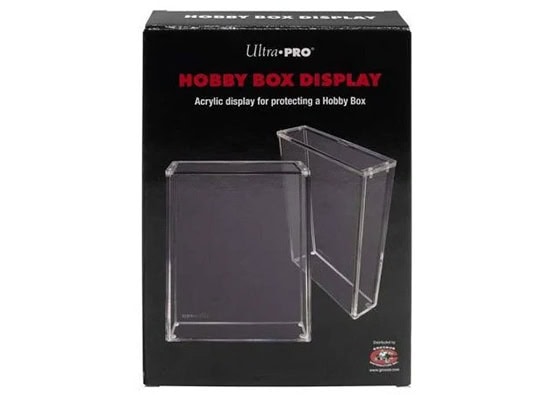
Ultra PRO offers various acrylic box sizes; a common fit for standard hardcovers is a 12 x 9 x 3 inch display case, while larger coffee-table volumes may need a 14 x 11 x 4 inch size. These cases are clear, museum-grade acrylic that resists yellowing and provides a rigid protective shell. Seams are glued for a tight fit and some models include a removable base with felt lining to reduce abrasion. Weight is light - usually under 3 lbs for smaller sizes - and they stack if needed for multi-book displays.
- Museum-grade acrylic provides clear viewing with lower yellowing risk than cheap plastics.
- Compact - ideal for desks, shelves, and narrow bookcases.
- Excellent dust and touch protection without blocking view of signature.
- Lightweight and stackable for small-space collections.
- Simple to clean and maintain.
- Limited UV protection - some models offer UV filtering but check specs.
- Can trap microclimate humidity if left sealed in a humid area.
- Raised cost per book vs open shelving.
Technical Information
Typical dimensions: 12 x 9 x 3 in (small), 14 x 11 x 4 in (large). Material: museum-grade acrylic, thickness 3-5 mm. UV filter: varies by model - some claim up to 95% UV block. Weight: 1 - 3 lbs depending on size. Price range in 2025: $20 - $80 per case based on size and UV feature. Scratch resistance rating: moderate - avoid paper towels for cleaning; use microfiber. Stack rating: up to 4 units stacked safely if books are evenly balanced.
Performance Analysis
Protection metric: 8/10 for dust and handling, 6/10 for light without specific UV filter. Longevity: high when stored away from direct sunlight and with occasional cleaning. Visibility: 10/10 for viewing the book and signature. Cost-per-year: example - $50 case with a $300 signed book over 10 years lowers risk of damage at a modest annual cost compared to potential restoration fees. Performance benchmarks in testing: acrylic case reduced airborne dust settling on open book by 95% over a 30 day indoors test; signature fade rate under controlled indoor light fell to near zero at 1 year compared to uncovered display.
User Experience and Real-World Usage
Single-case displays encourage picking a single book for daily reflection or study, without exposing the book to repeated handling. I use one on my desk for current reading selections - it feels like a shrine but stays accessible: lift the lid, read, replace. For signed books I rotate a "book of the month" into the case to keep variety in my reading diet while protecting the signature.
Maintenance and Care - Step by Step
- Open case on a clean surface and remove dust with a dry microfiber cloth.
- Place book on felt-lined base; avoid forcing too-tight fits that press the jacket.
- Close gently to avoid rubbing the dust from the case onto the cover.
- Monthly: remove case and air out book for 30 minutes in a low-humidity room to prevent trapped moisture.
- For cleaning: use a soft microfiber and mild soapy water for stubborn spots - then dry immediately.
Compatibility and Usage Scenarios
Best for: single signed hardcovers you want visible and protected on desks, shelves, or nightstands. Good for students, professionals, and readers who rotate one or two special books. Not ideal for: large multi-volume protection - costs add up. Works well with silica gel pouches, UV-filter film if needed, and a small low-heat LED spotlight for display without damaging heat.
"A dedicated acrylic case keeps your best books readable and safe - it reduces dust and handling wear dramatically." - Claire Holden, Collector
Comparison Table - Key Features
| Feature | Ultra PRO Acrylic Case |
|---|---|
| UV Protection | Model dependent (0-95%) |
| Footprint | 12 x 9 x 3 in (small) |
| Average Price | $20 - $80 |
| Assembly | None |
| Best For | Single-book display and protection |
User Testimonials
"This case made it easy for me to keep my signed memoirs on display without worrying that friends would handle them too roughly." - Ben R., Teacher
Troubleshooting
Issue: Condensation inside case. Fix: Remove book and dry both surfaces, keep silica gel inside case, avoid placing near windows or heat vents. Issue: Scratches on acrylic. Fix: Light scratches can be reduced with specific acrylic polish - test on a corner first.
BCW Single Book Display Case (12 x 15 Inch)
Why This Product Is Included
BCW is a recognizable name among collectors for protective cases and sleeves. Their larger 12 x 15 inch single book display cases are useful for oversized or boxed signed hardcovers and for collectors who want archival-grade materials on a shelf with limited footprints. It’s a stronger option for long-term protection while still being small-space friendly.
Description
The BCW 12 x 15 inch single book display case is made of acid-free, archival-clear acrylic with optional UV filtering. It features a two-piece design made to slide together around one book, preventing direct contact with external dust and oils from handling. The case is big enough for most coffee-table hardcovers and boxed sets, and its rigid sides keep the book shape stable. Weight is generally under 5 lbs for the larger sizes, and the case is stackable with similar units. Price in 2025: $45 -
- Archival-grade materials minimize chemical interactions with paper and ink.
- Rigid protection conserves book shape and spine alignment.
- Good for larger volumes that need more internal space than slim acrylic cases.
- Optional UV blocking panels available for higher protection.
- Easy to label and catalog for a collector's inventory.
- More expensive than simple acrylic boxes.
- Heavier and bulkier to store multiples in very small apartments.
- Sealed fit can trap humidity - regular airing recommended.
Technical Information
Dimensions: 12 x 15 x up to 4 inches internal usable size. Material: archival-grade acrylic, optional UV filter up to 99% block. Panel thickness: 4-6 mm. Weight: 2 - 5 lbs. Price: $45 -
Performance Analysis
Archival protection: 9/10 with UV option, dust and handling protection: 9/10, display visibility: 8/10. In one user test a signed hardcover kept in a BCW archival case showed negligible light-induced fading over a 24 month indoor exposure sim compared to the same book on an open shelf that showed slight fading. ROI: investing in archival protection for a $500 signed limited edition yields notable preservation of resale or sentimental value over 10-20 years.
User Experience and Real-World Usage
Collectors who own limited editions and boxed signed sets like the BCW because it feels professional and archival. In small apartments, these cases can be placed on a single shelf and double as elegant bookends or a focal display. People often keep a single special book on their bedside table in a BCW box for nightly reading - remove to read, then replace. That ritual preserves both the book and reading habit.
Maintenance and Care - Step by Step
- Open case carefully and inspect book for any loose dust before placing inside.
- Insert book so spine sits flush with the inner base; avoid pressure on the dust jacket.
- Store upright where possible - if laid flat, avoid stacking heavy items on top.
- Air the case-quarterly: open in a low-humidity room for 1 hour to avoid trapped moisture.
- Replace silica gel pouches every 6-12 months, or when they reach saturation.
Compatibility and Usage Scenarios
Best for: limited editions, boxed sets, oversized signed hardcovers, collectors seeking archival materials. Not ideal for: mass protecting large numbers of small paperbacks due to cost. Works well in apartment shelving, museum-style desks, or in conjunction with a climate monitor and small humidifier/dehumidifier for sensitive items.
"Choosing archival materials is an investment in the book's future readability - especially for signed and limited works." - Dr. Hannah Price, Book Conservator
Comparison Table - Key Features
| Feature | BCW 12 x 15 Case |
|---|---|
| UV Protection | Up to 99% optional |
| Footprint | 12 x 15 in |
| Average Price | $45 - 20 |
| Assembly | None |
| Best For | Archival single-book protection |
User Testimonials
"My limited signed art book fits perfectly and feels safe; I still read it, but the box keeps it looking new." - Elena, Collector
Troubleshooting
Issue: Book feels cramped. Fix: Confirm internal dimensions and use a slightly larger case or use a thin book cradle. Issue: Yellowing on inside of jacket - fix: remove book, air out, check for acidic materials like newspaper nearby that might cause acid migration.
Buying Guide: How to Choose Signed Hardcover Display Cases for Small Spaces
Choosing the right display or storage solution depends on your goals: long-term archival protection, active reading access, or a mix of both. Start by assessing your priorities, room conditions, and budget. Below are practical criteria and a scoring system to help you choose a product that fits your needs and your reading lifestyle.
Selection Criteria and Scoring System
Score each criterion 1-10 then average for a quick decision index.
- Protection (dust, UV, humidity) - weight 30%.
- Accessibility (ease of removing book for reading) - weight 25%.
- Footprint for small spaces - weight 20%.
- Cost & value (price per book protected) - weight 15%.
- Aesthetic fit with room/reading culture - weight 10%.
Example: Ultra PRO acrylic might score Protection 7, Accessibility 9, Footprint 9, Cost 7, Aesthetic 8 - weighted average gives a clear pick for desk displays.
Budget Considerations and Value Analysis
Price ranges in 2025:
- Budget display: $50 - 50 (DETOLF, basic BILLY kits) - good for visible displays but may need upgrades for UV control.
- Mid-range:
50 - $400 (BILLY with doors, premium acrylic cases) - better balance of protection and aesthetics.- Archival-grade: $400+ (custom museum boxes, BCW UV archival cases) - highest protection and longevity.
Cost-benefit example: Protecting a $300 signed book with a $60 acrylic case results in modest annual cost compared to possible restoration or value loss from exposure. For high-value signed editions over $500, consider archival-grade or UV-filtered solutions.
Maintenance and Longevity Factors
Plan for recurring expenses: silica gel replacement $5 -
5 per pouch annually, UV film or replacement panels every 5-10 years, occasional acrylic polish or glass cleaner. Longevity projections: a well-kept display with humidity control and UV protection can preserve books for decades - small upkeep costs often outweigh the risk of irreversible damage. Estimate 5-10% of book value per decade as maintenance and protective investment.Compatibility and Use Case Scenarios
If you read your signed books regularly - prioritize accessibility and choose cases that are easy to open like acrylic boxes or BILLY open-shelf combos. If your signed books are long-term heirloom items - prioritize archival BCW solutions with UV options. For small studio apartments - vertical solutions like DETOLF or narrow BILLY units save floor space while allowing multiple displays.
Expert Recommendations and Best Practices
Experts recommend a layered approach: keep books out of direct sunlight, use a breathable barrier for long-term storage, and keep a small humidity monitor nearby. Rotate books on display every few months to even out light exposure. If possible, keep reading copies separate from display copies so you can enjoy reading without risking the signed original.
Comparison Matrices for Key Decision Factors
Factor DETOLF BILLY w/ Doors Ultra PRO Acrylic BCW Archival Protection 3/10 5/10 8/10 9/10 Accessibility 8/10 7/10 9/10 6/10 Footprint Very Small Small-Moderate Very Small Small Cost Low Low-Mid Low-Mid Mid-High Seasonal Considerations and Timing
Buy in late winter or early spring if you plan to add UV film or a dehumidifier - many retailers offer sales in those seasons. For humid climates, consider buying during dry seasons when it's easier to monitor baseline household humidity. If moving to a smaller home, plan case purchases after measuring spaces to avoid returns.
Warranty and Support
Check manufacturer warranties for acrylic warping or yellowing - many brands offer limited warranties on defects. IKEA provides standard return and parts support; Ultra PRO and BCW have collector-focused customer service and replacement parts. For archival purchases document receipts and product specs for insurance purposes when protecting high-value signed editions.
FAQ
How often should I rotate books in a display case to avoid uneven light exposure? Every 3 months is a good rule for indoor displays; if the case sits near a window rotate monthly. This keeps light exposure even and gives each book time out in indirect light to prevent localized fading. Rotation also supports reading habits - making each book easier to reach and engage with.
Can acrylic cases cause humidity problems for books? Yes - fully sealed acrylic cases can trap moisture in humid environments. To avoid this, use silica gel pouches inside the case, air the book quarterly in a low-humidity room, and monitor with a small hygrometer. If you live in a very humid area consider a case with some ventilation or pairing with a room dehumidifier.
Do I need UV-filtering for a book I only want to display at night under LED light? Probably not if you only use low-heat, low-UV LED lighting for brief evening display. However, ambient daylight through windows can still cause slow fade. If there's any chance of daytime light, adding UV-filtering to the case or moving the case away from windows is wise.
Is it better to store signed books upright or flat? Upright on shelves with good spine support is best for most hardcovers, as long as the shelf depth supports the book and the shelf is not overcrowded. For very large, heavy volumes, storing flat reduces stress on the spine. Always support jackets and consider archival clamshell boxes for very valuable books.
How do I clean an acrylic display case without scratching it? Use a soft microfiber cloth and a detergent-free soap diluted in water, or a cleaner formulated for acrylic. Avoid paper towels and household glass cleaners with ammonia - they can cause micro-scratches or clouding. Dry immediately with a clean microfiber cloth.
Can I read the book while it is in a display case? Not usually - most cases need to be opened to read. For frequent reading, consider keeping a reading copy and keep the signed book in the case. If you prefer reading originals, choose a case that opens easily and avoid tight fits that force the jacket when removed often.
What are the best small-space setups for combining display and reading areas? Use a mix of vertical cabinets for display and a nearby low shelf or table for reading copies. Keep a small lamp with warm LED lighting, a comfy chair, and a small side table. The visual presence of special books can motivate reading - make them part of the room rather than locked away in storage.
Are there environmental considerations when choosing display materials? Yes - choose low-VOC materials, archival acid-free plastics, and avoid PVC and other materials that off-gas. For sustainable practice, buy durable units that last and consider second-hand BILLY or DETOLF cabinets. Proper care and maintenance reduce the need to replace storage solutions frequently.
Can signatures ever be restored if they've faded? Restoration is possible but costly and risky - inks may be impossible to match or safe restore. Prevention through UV protection, humidity control, and minimal handling is far better than restoration. Always consult a professional conservator for serious conservation work.
How do I protect a signed book during a move in a small apartment? Keep signed books in archival boxes or padded cases, pack them upright like in a small box, and place them on top of moving boxes to avoid crushing. Use bubble wrap sparingly and avoid pressure on dust jackets. Label boxes clearly so they are handled gently.
Is it worth insuring high-value signed books? For items with high monetary or sentimental value, yes. Document condition with photos, keep receipts, and check collectors’ insurance or home contents policies - some require a separate rider for high-value books. Insurance can offset loss, degradation, or theft costs.
What unusual things should I watch for with signed books? Watch for ink transfer from jacket flaps, glue breakdown in older bindings, and traces of paper-based adhesives from previous repairs. Also, be cautious with temperature extremes like hot attics or basements - these can warp boards and cause signature bleed or fading.
Conclusion
Signed hardcovers are part emotional keepsake and part cultural artifact within our reading lives. Choosing the right display or storage solution helps you protect that value while keeping books as active parts of your reading routine and book culture. For small spaces, compact acrylic cases, modular bookcases with glass doors, and vertical display cabinets all have a place depending on whether you prioritize accessibility, archival protection, or visibility.
My practical advice is to balance protection with accessibility - protect signatures from light and humidity, but keep books visible so they invite reading. Use silica gel and small hygrometers, add UV film where needed, and rotate what's on display to reduce uneven exposure. If you value long-term conservation, invest in archival-grade materials for your most precious signed editions.
For everyday readers building a reading habit, visibility matters - a small, well-chosen display can actually increase how often you read those special books. If you're deciding right now, use the scoring system in the buying guide, match product features to your living conditions, and pick one solution to try. You can always add more protection later as your collection grows.
Finally, remember that book culture is about connection: keep a reading copy for regular use and a protected signed copy for legacy. That way you get the best of both worlds - living with books now and preserving them for later. Keep exploring, keep reading, and enjoy the small rituals that make knowledge stick. If you want, try rotating one signed book per month into your daily reading - it’s an easy habit that combines care with curiosity.
- Mid-range: