Introduction
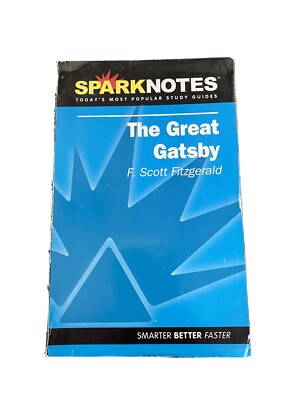
SparkNotes Literature Guide: The Great Gatsby, produced by the SparkNotes Editors and published in 2017, arrives as a compact companion to F. Scott Fitzgerald's 1925 classic. As someone who reads widely across genres, I picked up this guide when I wanted a clear map through the novel's social atmosphere and symbolic layers without rereading the entire text. I found the guide is tailored to both students and curious readers who enjoy Fiction Reviews and Summaries that get straight to the heart of a story.
SparkNotes has long been a go-to for accessible study material, and this edition follows that reputation with summaries, character breakdowns, and thematic analysis. The Great Gatsby itself has inspired stage and film adaptations, most recently the 2013 Baz Luhrmann movie, and its presence in curricula continues to fuel discussion and debate. This guide aims to help readers unpack why the novel still matters.
Plot Summary
The SparkNotes guide walks readers through the arc of The Great Gatsby without spoiling pivotal revelations. It frames the story as a close, observant journey told by Nick Carraway, who arrives in Long Island and becomes entangled with his cousin Daisy, her husband Tom, and the enigmatic Jay Gatsby. The summary highlights Gatsby's yearning and the social tensions that crack beneath glittering parties and manicured lawns.
I found the way the guide condenses each chapter particularly helpful; it preserves the forward momentum of Fitzgerald's narrative while pointing to the symbols and choices that shape the characters. One vivid, spoiler-safe scene that lingered was the depiction of Gatsby's parties: a swirl of music, light, and rumor that reads like a portrait of excess and longing. The SparkNotes summaries steer you toward the book's direction and themes without flattening the mystery that makes the novel compelling.
Writing Style and Tone
The SparkNotes editors translate Fitzgerald's lyricism into plain, readable analysis. The guide itself does not mimic Fitzgerald's prose, but it respects the novel's tonal shifts-from lyrical nostalgia to sharp social critique-by pointing out where the language matters. I loved how the guide flags moments of rhetorical flourish and explains their impact on mood and meaning.
As an example of the novel's voice, the guide references lines that echo beyond the page, such as the famous, quiet cadence of "So we beat on, boats against the current." The editors balance pacing and clarity; sections are brief enough for quick reference but dense enough for meaningful insight. They also call out Fitzgerald's background and the historical context that shaped his work, which helped me place the novel within the Jazz Age conversation and understand why certain images recur.
Characters
The character analyses in this SparkNotes guide are concise and illuminating. Nick Carraway serves as narrator and moral observer, often asking readers to judge along with him. I found the guide's take on Nick helpful because it highlights his unreliability without dismissing his emotional core. Jay Gatsby is shown as both romantic idealist and tragic figure, a man whose past and aspirations drive the plot.
Daisy Buchanan is presented with nuance; the guide points to her charm and her fragility, and how those traits intersect with privilege. Tom Buchanan's aggression and entitlement are sketched as societal forces rather than mere villainy. Jordan Baker, though smaller in scope, is noted for her ambiguity and the way she complicates gender expectations of the era. I struggled with seeing any of these characters reduced to single words, and the guide generally resists that trap, offering motivations and contradictions that feel real.
A scene that stayed with me was Gatsby standing on the lawn, eyes fixed on a distant light: the guide handles that moment with sensitivity, explaining the symbol without draining its mystery.
Themes and Ideas
At the center of the SparkNotes treatment are themes such as the American Dream, illusion versus reality, social stratification, and the corrosive effects of wealth. The guide articulates how Fitzgerald uses setting and symbolism to question whether the dream is attainable or merely a mirage. I found the editors' focus on symbols-particularly the green light and the valley of ashes-helpful for readers building interpretive frameworks.
The guide also raises ethical and philosophical questions about nostalgia and desire. It paraphrases key theological and existential notes in the novel without getting bogged down in jargon, and it helps readers see how Fitzgerald's characters act within a culture of performance and reputation. Where I loved the guide most was in its calm insistence that the novel asks hard questions about faith in progress and the cost of longing. That balance is why many readers consult Fiction Reviews and Summaries like this one to clarify their own reactions.
Strengths of the Book
This SparkNotes guide shines in its clarity and organization. Chapters are summarized cleanly, character sketches point to contradictions, and the thematic sections provide actionable insights. I loved the study questions and the ways they invite readers to think rather than hand them answers. For students facing essays or readers who want a refresher before rereading the novel, these Fiction Reviews and Summaries are a dependable shortcut.
The guide's accessibility is a real strength: it keeps language conversational while still addressing literary techniques. It also acknowledges historical context and adaptations, which enrich reading. The 2017 edition feels up to date for contemporary classrooms and book groups, and it strikes a thoughtful, encouraging tone that I appreciate.
Weaknesses of the Book
The main limitation is inherent to study guides: compression. There are moments when the guide simplifies complexities that reward lingering over Fitzgerald's sentences. I struggled with a few sections that read a bit too tidy, smoothing over ambiguities that are part of the novel's power.
Another mild weakness is tone. In aiming for clarity, the guide occasionally leans toward didactic statements that feel slightly removed from the novel's emotional textures. These are small gripes; they do not undermine the guide's usefulness, but they remind readers that nothing replaces reading the original text for the full experience.
Favorite Moments
One favorite part of the SparkNotes guide is its chapter-by-chapter breakdowns. I found myself returning to those sections before class discussions and book club meetings because they prompt questions rather than flat answers. A light aside: the guide's party descriptions are so lively I almost expected a jazz soundtrack to start playing.
I also enjoyed the guide's brief cultural notes, which connect the novel to other works of the era. There is a practical pleasure in having quick references to Fitzgerald's life and the broader Jazz Age context while reading. These moments make the guide feel like a friendly companion rather than a dry textbook.
Who Should Read It
This SparkNotes guide is ideal for high school and college students, book club members, and readers who appreciate concise Fiction Reviews and Summaries to frame their reading. If you enjoyed Fitzgerald's other novels, such as Tender Is the Night, or contemporary companions like The Age of Innocence, you will find the guide a useful bridge between themes and text. I often pair these guides with a reread of the novel and the soundtrack of an adaptation to create a small ritual: tea, notes, and a bit of jazz.
The guide is especially helpful for readers new to literary analysis or those returning to The Great Gatsby after many years. It is available in common formats such as paperback and e-book, which makes it easy to consult on the go or at a desk.
Conclusion
SparkNotes Literature Guide: The Great Gatsby offers clear, focused Fiction Reviews and Summaries that respect Fitzgerald's novel while making it accessible. I found the guide to be a thoughtful companion that illuminates symbols and motivations without claiming to replace the original prose. Its strengths are clarity, organization, and usefulness in study and discussion. Its weaknesses are mild and mostly tied to the inevitable compression that study guides require. For readers who want to deepen their understanding and spark conversation, this edition is a warm and helpful starting point.
Rating: 7.5/10