Introduction
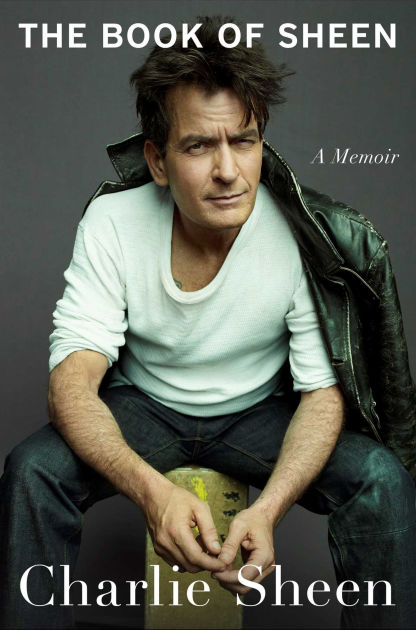
Charlie Sheen's The Book of Sheen arrives in 2025 as a surprise entry into the landscape of Non Fiction and Self Improvement Books. Best known for his long career on screen and a very public personal life, Sheen leans into that history here, offering memoir fragments, blunt advice, and a collection of practical observations that read like both confession and pep talk. I picked this up one rainy afternoon between meetings, and I found myself both skeptical and curious; that mix of wariness and openness is a useful state for reading books in this category.
The book's publication was met with immediate media buzz and predictable controversy, which only amplified interest among readers who follow celebrity memoirs and self-help alike. Sheen frames the book as an attempt to distill lessons learned rather than to relive headlines, and the context of his public ups and downs gives the text an odd immediacy that many Non Fiction and Self Improvement Books try but often fail to achieve.
Plot Summary
The Book of Sheen is not a plot-driven narrative but a structured series of essays and personal anecdotes that trace turning points, habits, and mindsets. It moves through early career hustle, high-profile setbacks, and deliberate attempts at reinvention. Each chapter focuses on a theme such as responsibility, resilience, focus, or how to cut through noise and get to what matters. While it never reads like a tightly plotted memoir, there is a clear direction: the book aims to show how hard-earned experience can be reframed into practical advice.
I found the pacing uneven in a way that actually served the subject matter. Some chapters are short, sharp bursts of advice; others linger on a memory or a relationship for several pages. One scene that lingered with me is a quiet recollection about a late-night conversation that shifted Sheen's perspective on career choices. It stuck because it felt vulnerable and specific rather than performative, a moment where self-improvement advice and personal story intersected cleanly.
Overall, the book reads like a guided journal from a seasoned but unconventional teacher, and its structure makes it easy to dip in for an actionable idea or read straight through for the fuller arc of a life reshaped by choices.
Writing Style and Tone
Sheen writes with a conversational, unapologetic voice that often mirrors the talk-show interviews and candid moments that made him a household name. The sentences are direct, occasionally blunt, and intentionally plainspoken. That tone will be familiar to readers coming from the world of celebrity memoirs, and it translates surprisingly well to the goals of Non Fiction and Self Improvement Books: clarity over flourish, honesty over polish.
I loved moments where the language tightened into a neat, memorable line. For example, one paraphrase that recurs is, "You are the architect of your own comeback," a short, declarative idea that captures the book's spirit without becoming preachy. The chapters vary in length and rhythm, which keeps the reader alert; some sections read like advice columns, others like diary entries. I found this hybrid approach refreshing, and it made the reading feel less like a lecture and more like a conversation with someone who has learned lessons the hard way.
The book also reflects Sheen's background in performance; he knows the cadence of a line and how to land a blunt truth. That can be energizing, though at times it trades nuance for impact.
Characters
As a mostly nonfiction, advice-driven book, The Book of Sheen treats people as catalysts and mirrors rather than as traditional fictional characters. Charlie Sheen is, of course, the central figure, and he presents himself as a flawed but determined practitioner of reinvention. I found his self-portrayal grounded in a willingness to admit mistakes, and that honesty makes the advice feel earned.
Secondary figures-managers, rivals, friends, and family-are sketched to illuminate key lessons. Some are vividly drawn; others remain functional, included to trigger a point rather than to be explored fully. One memorable vignette involves a late-night mentor figure whose blunt question prompted a major course correction. That moment lingered with me because it showed how influence often comes from a single, specific interaction rather than a long, dramatic arc.
Sheen's strengths as a narrator are his willingness to admit vulnerability and his knack for naming what he changed. His weaknesses are a tendency to flatten complex relationships into schtick and an occasional defensiveness when discussing public controversies. I struggled at times with that defensiveness, but I still found the character portrait overall to be compelling and useful for readers searching for practical takeaways in Non Fiction and Self Improvement Books.
Themes and Ideas
Centering on reinvention, responsibility, focus, and authenticity, the book moves consistently toward practical application. It asks familiar questions-how do you rebuild after a setback, how do you stay focused in a noisy world-and provides concrete rituals and mental shifts rather than abstract theory. The central ethical thread is that personal responsibility and honest assessment are prerequisites for meaningful change.
I found the book's philosophical leanings pleasantly pragmatic. It does not offer grand metaphysics but instead privileges choice, clarity, and repeated small actions. At times Sheen leans into a kind of tough-love ethos, insisting that discipline and boundary setting are non-negotiable for growth. A recurring paraphrase that illustrates this tone is, "You are the architect of your own comeback," which captures both the book's optimism and its insistence on personal agency.
Symbolically, the book uses the metaphor of construction and repair throughout, which reinforces the idea that improvement is a craft and not an inspiration. I appreciated this frame because it aligns well with other Non Fiction and Self Improvement Books that treat habits as tools-think James Clear's approach in Atomic Habits-but filtered through a more candid, celebrity-informed lens. The book raises moral questions about accountability in the public eye without getting lost in defensiveness, and that balance is one of its quieter strengths.
Strengths of the Book
One of the clearest strengths is the book's voice. Sheen writes with a directness that makes advice easy to digest, and I loved the short, pithy chapters that you can read between tasks. The practical orientation is another plus; the author offers specific habits and mental shifts that readers can try immediately, which is exactly what I seek when choosing Non Fiction and Self Improvement Books.
The book also benefits from the author’s real-world credibility. Sheen's life has been public and messy, and he uses those facts not for drama but for lessons. That approach makes some chapters feel like mentorship, and I found several actionable takeaways that I planned to test in my own routine. Finally, the mixture of memoir and instruction keeps the pages moving-the personal stakes make the advice land harder than a neutral self-help manual would.
A light aside: the book is refreshingly short on jargon, so it reads well even on a crowded subway.
Weaknesses of the Book
For all its strengths, The Book of Sheen has limits. The biggest is inconsistency in depth. Some chapters deliver polished, useful frameworks, while others skim over complex issues with a quick anecdote that feels underdeveloped. I struggled with that unevenness at times because a fuller treatment in a few places would have elevated the whole project.
Another mild weakness is that celebrity context sometimes crowds the advice. Readers seeking pure, research-backed strategies found in many Non Fiction and Self Improvement Books may notice a lack of extensive sourcing or scientific footwork. The tone also occasionally veers into defensiveness when revisiting well-known controversies, which can distract from the practical points being made.
These flaws do not derail the book, but they do keep it from reaching the highest tier of self-improvement titles.
Why It Hit Home
One reason this book resonated for me is its emphasis on small, repeatable acts of improvement rather than overnight transformation. I found myself nodding at the habit-based suggestions because they matched what I have seen work in my own reading and practice. The book also reminded me of reading mornings with a cup of coffee and a notebook, a ritual that helps me turn insight into action.
Another moment that hit home was when Sheen describes a single decision that changed his trajectory. It is a quiet scene, but it felt honest and practical, and I found that honesty more inspiring than the more theatrical elements of celebrity memoirs. That groundedness made the book useful for someone like me who reads Non Fiction and Self Improvement Books to gather implementable habits and clear perspectives.
Who Should Read It
The Book of Sheen will appeal to readers who enjoy Non Fiction and Self Improvement Books that blend personal story and practical advice. If you liked the candid tone of Mark Manson or the habit-focus of James Clear, you will find familiar pleasures here, though with a more celebrity-anchored voice. I recommend it for busy readers who want short, actionable chapters they can return to on hectic days.
Fans of celebrity memoirs curious about substance beyond scandal will find value, as will readers looking for blunt, experience-driven counsel rather than academic summaries. I also think it pairs well with a reading ritual I use: morning pages followed by one practical habit from a current book. If you enjoy that kind of reading routine, this book can slot easily into your rotation.
Finally, this is a good pick for people who appreciate candid storytelling about recovery and reinvention. If you're looking for a rigorously sourced manual for behavior change, you might prefer more research-heavy titles, but for those seeking inspiration grounded in lived experience, this book will do the job.
Conclusion
The Book of Sheen is an uneven but often compelling entry in the field of Non Fiction and Self Improvement Books. Charlie Sheen brings a direct, no-nonsense voice and the advantages of a life lived in public to offer practical advice about reinvention, responsibility, and focus. I found moments of genuine utility and several memorable scenes that made the whole book worth my time, even if some chapters could have used more depth. For readers looking for short, punchy lessons informed by real-world experience, this is a worthwhile, sometimes surprising read.
Rating: 7.5/10